
Everyone wants to make money creating YouTube Shorts. But getting views, and actually turning those views into your monthly paycheck are two entirely different things.
If you want to make a living from YouTube Shorts, you need to understand how monetization works, what it takes to qualify, and how much you can realistically expect to earn.
From YouTube Shorts monetization requirements, to revenue sharing and alternative income methods… here’s everything you need to know about making money with YouTube Shorts in 2026.
Can You Monetize YouTube Shorts?
Yes, you can monetize YouTube Shorts as a way to earn money from your own content. But monetizing YouTube Shorts is a little different from long-form YouTube videos for a few reasons.
When you click on a long-form YouTube video, more often than not, you will be served with an ad. By watching that ad, you generate a small amount of money for YouTube and that creator. The more views the video receives, the more money that gets generated – effectively acting as a snowball effect.
The difference here with Shorts videos is found in how the ads are distributed.
Instead of playing before every video, YouTube will place ads between videos as you’re scrolling through the Shorts player. The revenue generated from advertisements is then pooled together at the end of each month, and distributed between Shorts creators based on views through the YouTube Shorts revenue pool.
That said, there are other sources of monetization outside of Shorts revenue sharing that include:
- YouTube Channel Memberships
- Super Thanks
- YouTube Shopping
- Affiliate Marketing
- Brand Deals
But you may not qualify for all of these options right now.
What Are the YouTube Shorts Monetization Requirements in 2026?
To qualify for YouTube Shorts monetization, you first need to join the YouTube Partner Program (YPP). There are two tiers of eligibility for the Partner Program, and the requirements change for each.
What is the YouTube Partner Program?
YouTube’s Partner Program is a two-tier system that gives creators a way to access certain monetization features before you qualify for full advertising revenue sharing. They are split by the lower tier, YouTube Fan Funding – and the higher tier, YouTube Ad Revenue.
What are the two tiers of the YouTube Partner Program?
The lower tier of the YouTube Partner Program is Fan Funding. To unlock Fan Funding, you need:
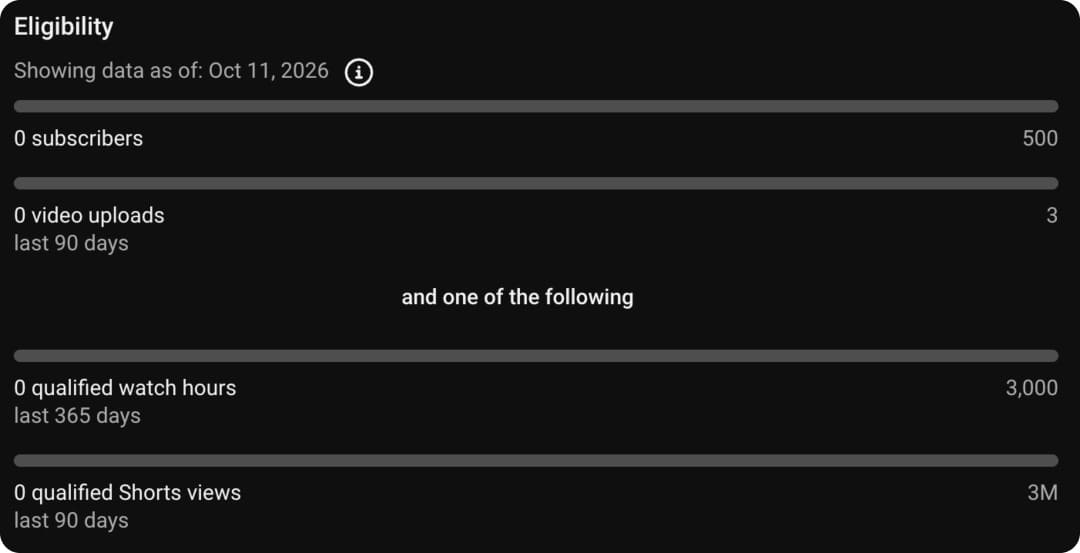
- 500 Subscribers
- Three net-new public video uploads within the past 90 days
- Either 3,000 public watch hours in the past 12 months on long-form content, or 3 million public Shorts views in the past 90 days.
The higher tier of the YouTube Partner Program unlocks YouTube advertising revenue sharing. To unlock YouTube ad revenue, you need:
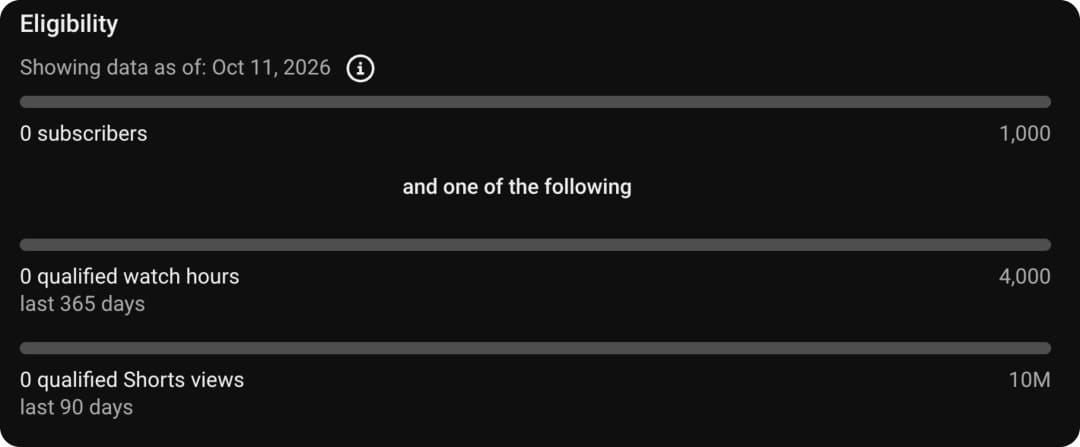
- 1,000 subscribers
- Either 4,000 public watch hours in the past 12 months on long-form content, or 10 million public Shorts views in the past 90 days.
Once you’ve reached these requirements, you will be able to submit your channel to YouTube for review. This is where things could get a little dicey though, as YouTube has strict policies you must not break if you want to get monetized.
One of the main qualifiers is ensuring your content is transformative. Do not expect to pass YouTube’s monetization check if you are just re-uploading content from other sources, or spam posting AI slop.
After fulfilling the previous requirements, you should be approved for the YouTube Partner Program membership and earn Fan Funding, provided that your content follows the guidelines.
How Do You Get Monetized on YouTube Shorts?
Once you’ve met the eligibility requirements, you can apply for monetization through YouTube Studio.
Here is how you apply:
- Open YouTube Studio. Navigate to the ‘Earn’ section to check your eligibility, and begin the application process.
- Complete the application. This portion will require you to set up a Google AdSense account, and then submit your channel for review.
- Wait for approval. YouTube will take 1-30 days to review your channel to make sure it fits under their monetization policies.
- Enable monetization. Once approved, accept the terms and conditions and enable monetization across your channel!
If your application gets denied, you will need to review YouTube’s reason for denial, make appropriate changes to your channel and its content, and re-apply at a later date.
How Long Do You Have to Wait to Re-apply for YouTube Monetization?
You have to wait 30 days before you can re-apply if it was your first time getting rejected from the YouTube Partner Program.
If it wasn’t your first time getting rejected, you will need to wait 90 days before you can re-apply.
How Long Does it Take to Qualify for YouTube Shorts Monetization?
If you already applied, it will take YouTube 1-30 days to review your application to determine if your channel qualifies.
Otherwise, there is no set YouTube Shorts monetization timeline. You could hit the required metrics in a few weeks, or it could take a few months or even years to build enough subscribers and views to apply.
To speed up the process, focus on posting consistent content, optimizing for audience engagement and retention, and creating videos around topics that resonate with your audience.
How Much Does YouTube Pay Per 1,000 Shorts Views?
There isn’t a fixed YouTube Shorts pay-per-view rate. Instead, it’s all dependent on your individual channel’s RPM (revenue per mille).
What is RPM on YouTube Shorts?
RPM measures how much revenue you earn from YouTube Shorts per 1,000 views.
YouTube RPM varies significantly by channel, audience, content niche, and location. The range for RPM on YouTube Shorts content sits between $0.01 and $0.35, with the average Shorts creator having an RPM between $0.05 and $0.20.
Here’s what that range could look like for your earnings:
| Monthly Views | $0.01 RPM | $0.05 RPM | $0.20 RPM | $0.35 RPM |
|---|---|---|---|---|
| 100,000 | $1 | $5 | $20 | $35 |
| 1 million | $10 | $50 | $200 | $350 |
| 10 million | $100 | $500 | $2000 | $3,500 |
| 100 million | $1,000 | $5,000 | $20,000 | $35,000 |
Keep in mind: these are illustrative, and not exact guaranteed earnings. Your actual revenue could be higher or lower, depending on your CPM.
What is YouTube Shorts CPM?
CPM (cost per mille) is the cost an advertiser pays per every thousand impressions of their ad. This metric represents how much advertisers can expect to pay to advertise within a specific niche.
The higher a niche’s CPM, the higher you can expect your RPM to be. Niches like investing, health, and makeup are known to carry much higher CPMs. Performance metrics play a role here as well.
Why is YouTube Shorts RPM Lower Than Long-form YouTube?
The difference ultimately boils down to how advertising works across each format.
Long-form YouTube videos can display ads before, during, and after the video, depending on its monetization settings. Shorts ads on the other hand appear between videos in the Shorts feed, and the revenue is distributed to creators through the YouTube Shorts Revenue Pool.
Because of this, YouTube Shorts vs long-form RPM comparisons show substantially lower RPMs for YouTube Shorts.
While YouTube long-form tends to be more lucrative per view, Shorts still gives a clear advantage to creators who want to reach larger audiences quicker. You can also use Shorts to funnel viewers toward your long-form content by adding a Related Video to your Short, and get the benefits of both formats.
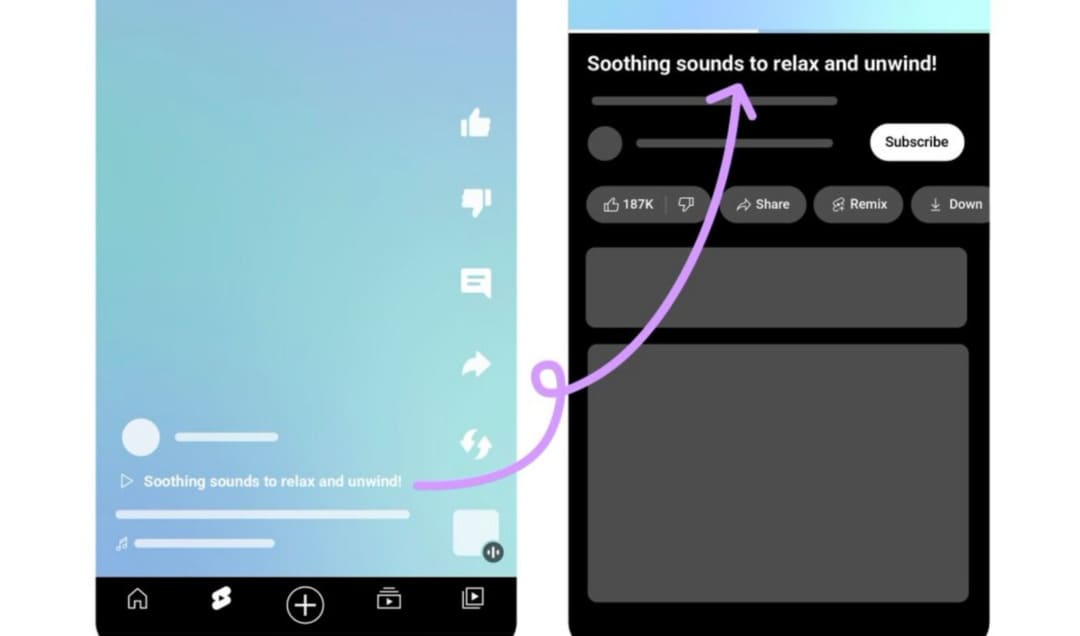
How Does the YouTube Shorts Revenue Pool Work?
YouTube Shorts use a pooled revenue system rather than assigning the revenue from an individual ad to the creator whose video appears next to it.
Here is how YouTube Shorts ad revenue sharing works:
- YouTube collects Shorts Feed ad revenue. The revenue from ads displayed between Shorts is pooled together.
- YouTube calculates the Creator Pool. Revenue is allocated toward creator earnings and music licensing costs.
- Revenue gets distributed to creators. Creators who are part of the YPP will receive an allocation of the revenue earned, based on their share of monetized Shorts views.
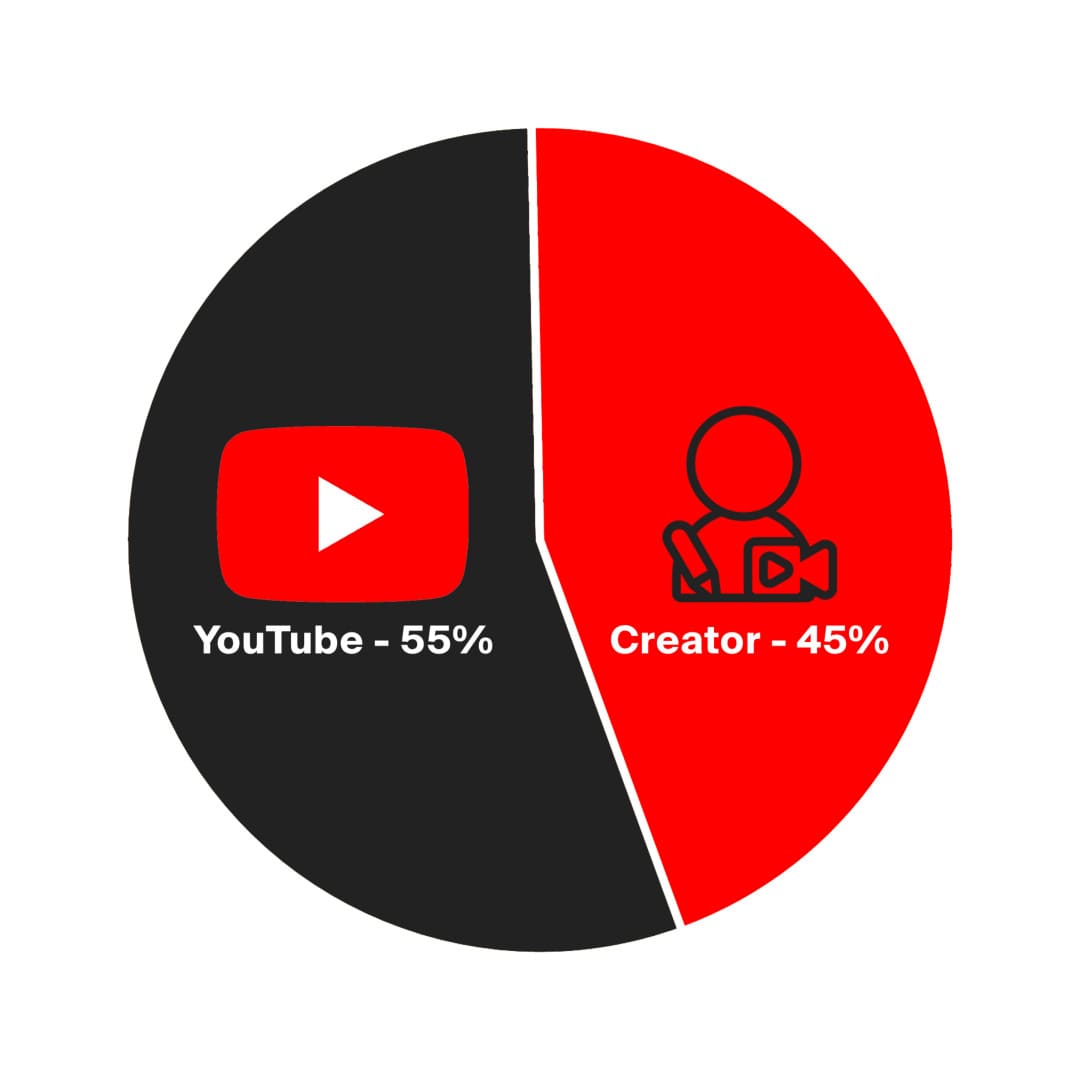
- YouTube applies the creator revenue share. Creators receive 45% of their Creator Pool revenue.
What is the 45% Creator Share in YouTube Shorts Monetization?
Creators receive 45%, and YouTube retains 55% of allocated revenue generated from the Shorts Creator Pool.
For long-form content, this is flipped – with creators receiving 55%, while YouTube retains 45% of revenue generated.
Does Using Copyrighted Music Affect YouTube Shorts Earnings?
Music licensing is accounted for in YouTube’s Shorts revenue sharing, and is part of the reason why YouTube retains 55% of revenue from the Shorts Creator Pool.
This is why using music will not reduce your final 45% revenue share. However, that doesn’t mean you are free to use copyrighted music as you please… as that can lead to other issues such as copyright claims, reused content, and other policy violations.
What Other Ways Can You Make Money from YouTube Shorts Besides Ads?
YouTube Shorts revenue sharing is only one of the ways you can earn money. And if you want to build a sustainable long-term presence as a creator, you shouldn’t rely only on Shorts views.
Here are some other ways you can make money from YouTube Shorts:
1. YouTube Fan Funding
Viewers can choose to support their favorite creators on-platform through a variety of different ways, including:
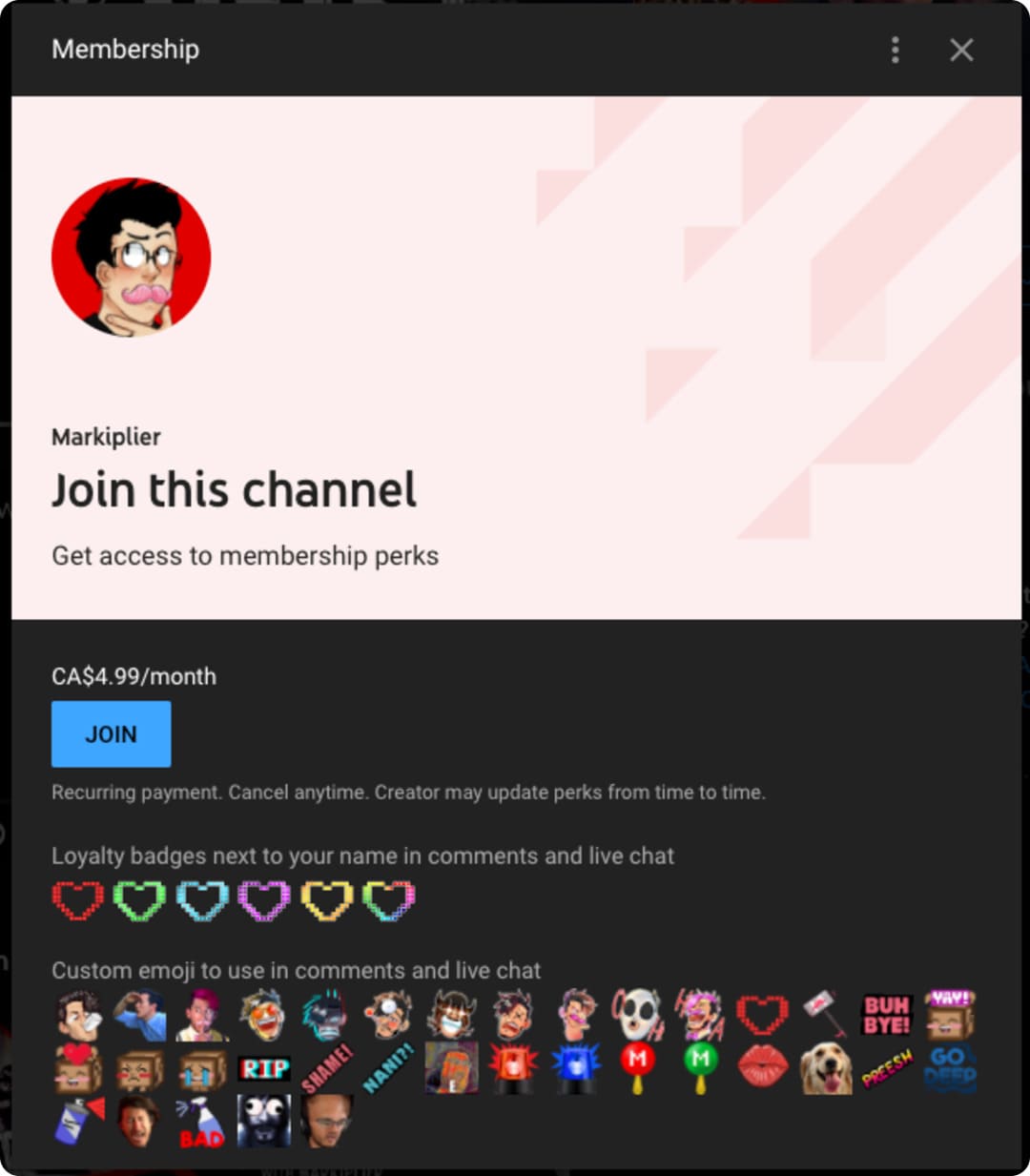
- Channel Memberships: Viewers can pay a recurring fee for extra benefits from a creator, such as special badges or exclusive content
- Super Thanks: Viewers can show appreciation for individual videos by attaching a payment to their comment
2. Affiliate Marketing
Affiliate marketing allows you to promote products directly from your video, and earn commissions when a viewer purchases through your affiliate link.
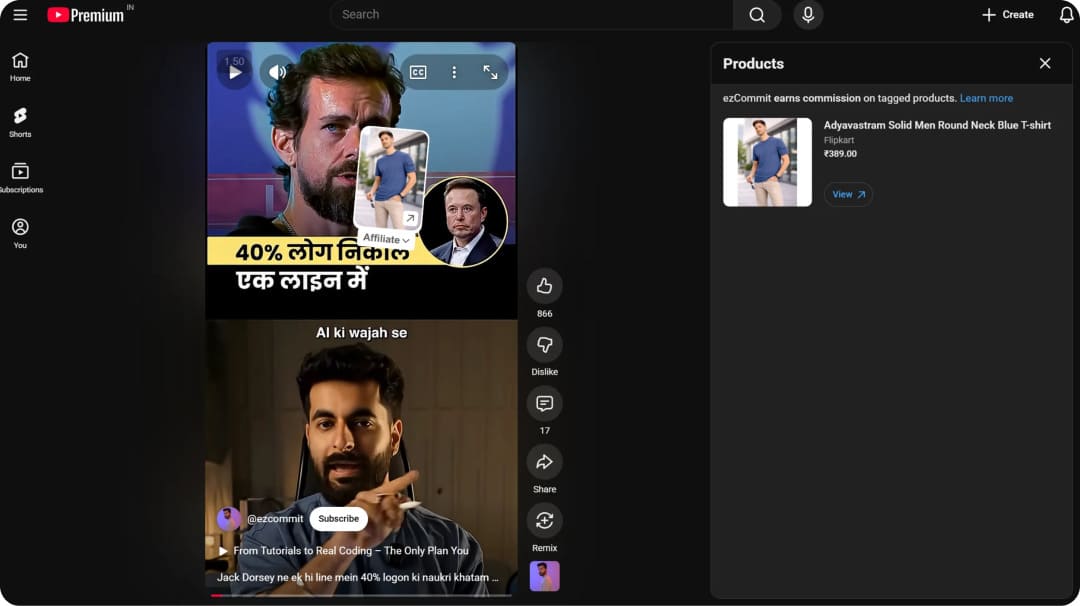
Make sure you always disclose any affiliate relationships clearly in your video description.
3. YouTube Shopping
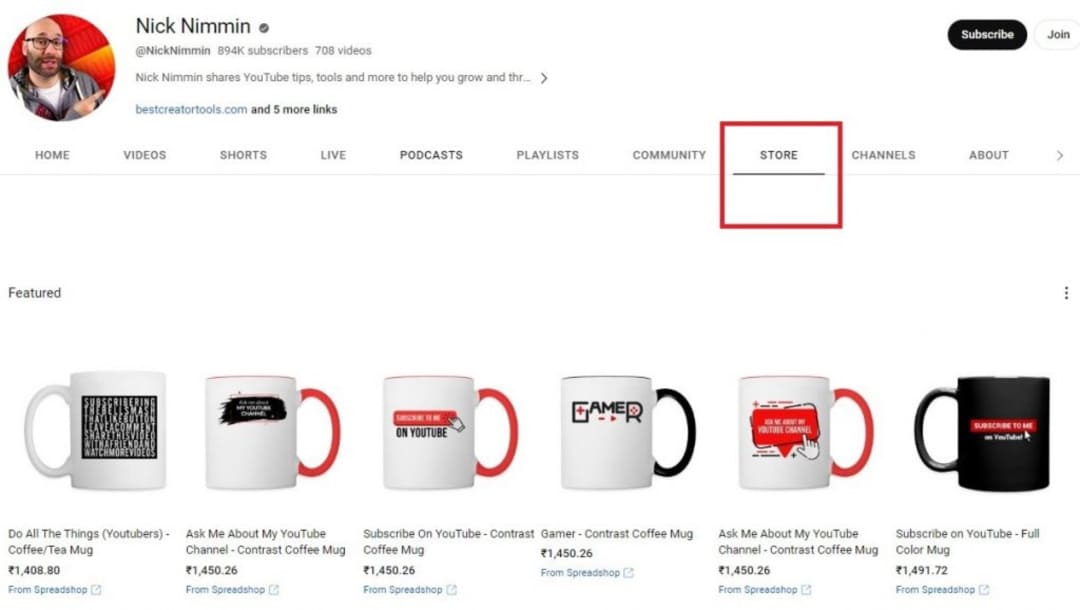
YouTube Shopping allows you to feature unique products or channel merch on your channel home page.
4. Brand Deals & Sponsorships
Brands will pay creators to feature products, demonstrate services, or create sponsored content. Creators big and small can land sponsorships, and you don’t even have to be monetized through the YouTube Partner Program to get one either!
This can be significantly more lucrative than Shorts ad revenue too if you’ve built an audience in the specific niche the product or service you’re advertising is within.
Make sure you always properly disclose any piece of content you make that is sponsored or in partnership with a brand.
FAQs: YouTube Shorts Monetization
How many views do you need to monetize YouTube Shorts?
Under 2026’s requirements, you need 1,000 subscribers and 10 million public Shorts views within the last 90 days in order to qualify for full Shorts ad revenue sharing.
Can you monetize YouTube Shorts without 1,000 subscribers?
Yes. You can earn access to YouTube Fan Funding features by reaching 500 subscribers, having three public uploads within the last 90 days, and reaching 3 million public shorts views in the last 90 days. This is a lower tier of the YouTube Partner Program, and does not unlock Shorts ad revenue sharing.
How much does YouTube Shorts pay per view?
YouTube Shorts doesn’t have a fixed pay-per-view rate. Your earnings will depend on your channel’s RPM (revenue per mille), which is the amount of money your channel makes per-thousand views. YouTube RPM varies significantly by channel, audience, content niche, and location.
How long does it take to monetize YouTube Shorts?
After applying, it can take YouTube 1-30 days to review your application to determine if your channel qualifies.
There is no set YouTube Shorts monetization timeline otherwise. It could take a few weeks, to a few months or even years to reach the subscriber and view requirements necessary to apply.
Can you make a living from YouTube Shorts?
Yes, but relying exclusively on Shorts ad revenue can make the job difficult and inconsistent. You can make it easier by leveraging YouTube Fan Funding features like Channel Memberships & Affiliate Marketing, and pursuing Brand Deals & Sponsorships.
Final Thoughts
That’s the rundown of YouTube’s monetization options within Shorts. You now hopefully have a better idea of what each eligibility requirement entails, along with what income from Shorts might look like!
Now, get out there and make some money!