

Everyone wants to be a YouTuber. But being a YouTuber isn’t as simple as making a piece of content and watching the views and ad dollars trickle in. It’s a tactical game of strategy and consistency, and you have to understand the platform’s search algorithm to play it.
YouTube is the second largest search engine in the world, right behind Google Search (and yes, Google does also own YouTube). You’re competing for the attention of billions of users who consume millions of videos daily on the world’s largest video platform.

If you want to stand out, you need to understand YouTube SEO and leverage it to inform your decision making. From choosing the right video topic, to creating titles, thumbnails, descriptions, and tags, all of it ties back to Search Engine Optimization.
And if you do it right, those views and ad dollars won’t just trickle in… they’ll start pouring. But first…
What Is SEO on YouTube?
YouTube SEO is the process of optimizing your video content so it ranks higher in YouTube’s search results and gets recommended to more viewers. YouTube’s search engine uses algorithms to determine which videos appear first when users search for specific keywords.
By understanding how these search algorithms work, you can leverage it to increase your video’s discoverability and views.
Why YouTube SEO Matters More Than Ever: Google’s Short-Form Shift
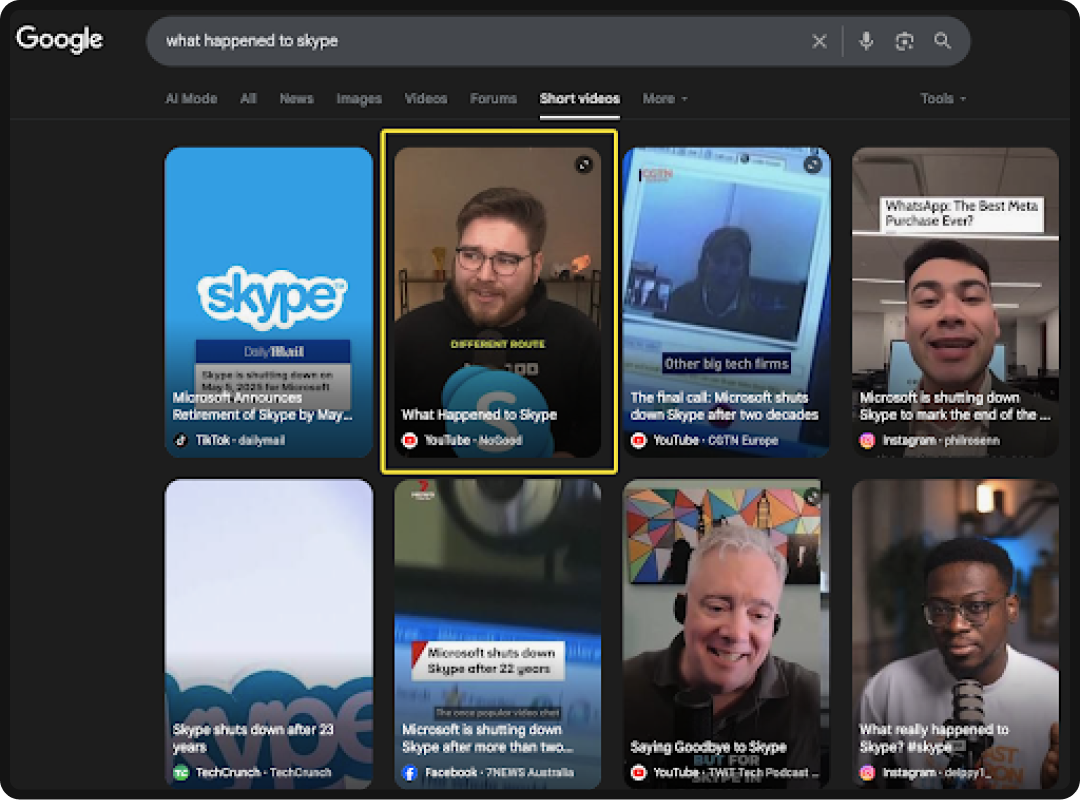
YouTube SEO doesn’t just impact your videos within the YouTube algorithm now, with the introduction of the “Short Videos” tab in Google Search.

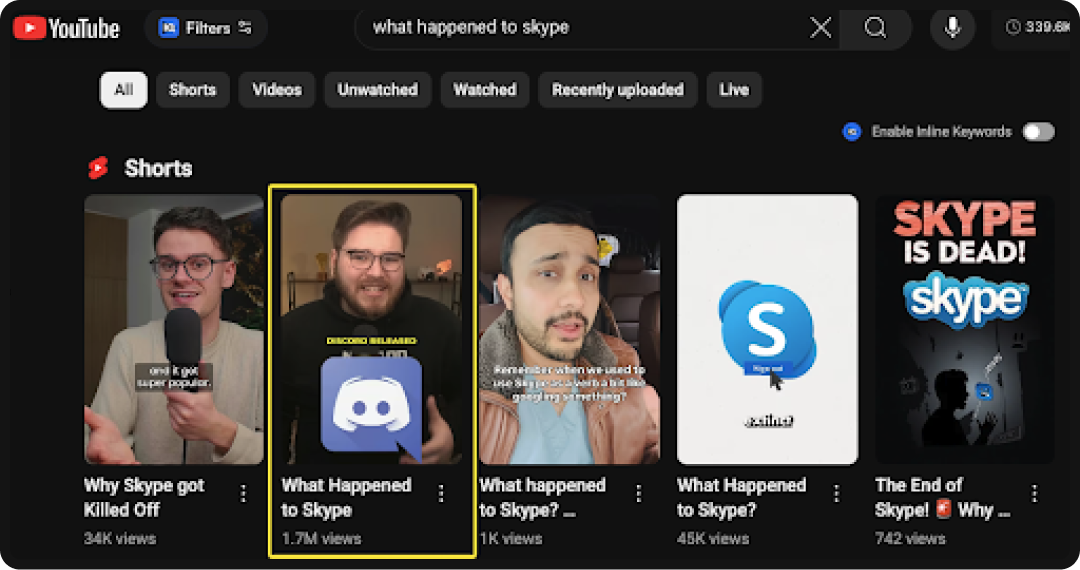
When users search for topics on Google, they can now filter specifically for short videos; and YouTube content appears prominently in these results. This means both long-form and short-form content can now rank in both YouTube’s search results and Google’s search results… doubling your visibility potential.
But only if you know how to effectively optimize your YouTube video’s SEO.
After reading this blog, you will know how to leverage YouTube SEO to appear across the world’s two largest search engines. With the optimization strategies we will cover in this blog, you will learn how to create compelling video titles and strategic video tags that will make your video more likely to appear in Google’s Short videos tab, capturing your audience before they even reach YouTube.

YouTube SEO Tips & Tricks
Fair warning: very little of what we cover in this blog post will be centered around content production. Instead, we’re more focused on the backend algorithmic optimizations you can make to your content.
But before we hit upload and dive into all of that SEO-ey-goodness, the one part of the creation process I do want to touch on is the “Who”; in other words…
Who are you creating your content for?
It’s important to know who your target audience is because different niches on YouTube look, well, different. Tech content presents differently than beauty content, which presents differently than gaming content, etc. And because the content is different, the SEO strategy you set up will also differ slightly.
As you answer this question, it is helpful to do competitor analysis. Now, I’m not saying you should just copy someone else’s content word-for-word because their video went viral… but you should have an understanding of what others do in your niche to help inform your content strategy.
Once you have your niche, and have made your first video, it’s time to upload!
Core YouTube SEO Components
Video Tags
In YouTube Studio, you’ll want to begin by drafting your video tags, which are crucial for optimizing your video’s discoverability on YouTube’s search engine. These are the terms that you want your video to appear for in YouTube search results, and are the foundation of your SEO soup.
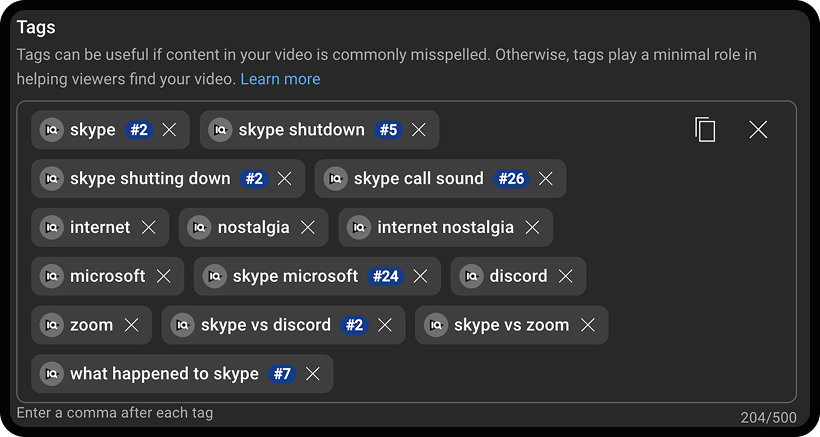
As an example, let’s do the SEO for our video that talks about what happened to Skype. For this video, we will use a combination of narrow search search terms (e.g., Skype shutdown, Skype vs Discord, What happened to Skype) and broader search terms (e.g., Skype, Microsoft, Internet nostalgia).
Having a good mixture of search terms will help YouTube determine your video’s specific purpose within the algorithm, while still casting a wide net for potential viewers. That said, your wider net should still remain relevant to the video topic.
While “internet nostalgia” is a wide search term, it works for this video since Skype is often referenced as a piece of internet nostalgia. In contrast, a search term like “best webcam for video calls” wouldn’t be a good search term.
Even though we’re talking about a video call app, and the term itself likely carries decent search traffic volume, it’s far too wide for the context of this video.
If you find yourself struggling to come up with search terms, using a keyword research tool like Rapidtags can be helpful. It can also suggest long-tail keywords that are specific to your title (though you should still prioritize shorter tags, especially because of features like voice search).
Video Description
Once you have your video tags, work your way up to the video description. The video description will work in tandem with the tags, since we will use a method called keyword duplication.
We will be putting all of our tags in the description to help reinforce the keywords you chose and improve the video’s search rankings. This practice will increase your potential traffic by helping contextualize your video to YouTube, and help YouTube categorize your video to make sure it is shown to the right audience.
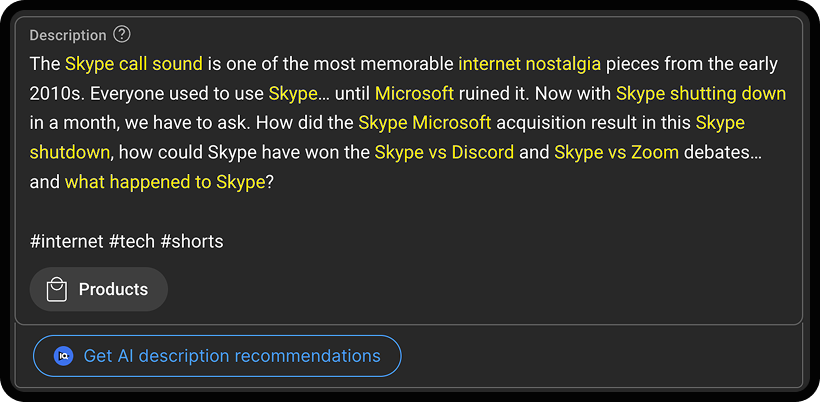
You will also want to include hashtags at the bottom of your description. These serve to further help YouTube catalog your content. Hashtags also appear under YouTube search as their own playlists, which can help increase your potential traffic if your video performs well with a hashtag.

That said, you don’t want to make the mistake of spamming your description with hashtags. YouTube recommends keeping hashtags to a maximum of three per video. You want to prioritize very general hashtags that have high search traffic.
Video Title
After you have your tags and description set, it’s time to choose a video title!

Some may argue that doing your video title last is… kinda backwards? However, the reason we’ve gone with this order of operations is so that we can leverage our tags and description to pick an SEO-optimized title.
Your video title should always include your primary keyword. You should also try to fit your tags naturally within your title. But be careful to avoid keyword stuffing: your title should still be engaging and accurately describe your video topic. The title should also align with your search ranking goals and engagement metrics.
Once you have your title, you’re ready to click upload!
…if you’re only doing YouTube Shorts.
You’re not done quite yet if you’re uploading long-form YouTube content.
Video Thumbnails
If you are making long-form video content, you can upload custom thumbnails, which are incredibly important in making your video stand out. Thumbnails also vary in style drastically on a case by case basis, and oftentimes boil down to individual videos themselves.
You still don’t want to just fly by the seat of your pants here and end up with something like this…

…so here are the two things every good thumbnail has in common.
- Every thumbnail image needs a clear center point. Something for the viewer’s eyes to gravitate towards. Without this, your thumbnail lacks purpose and can quickly start to feel busy.

The easiest way to effectively do this is to include text. This will not only help catch your viewer’s eyes, but it can also be leveraged to give them an idea of what your video is about without even having to read the title.
From this thumbnail alone, I already know this video is about the worst iPhones…

This thumbnail tells me so much that the title almost becomes parity (this doesn’t make the title unimportant, for the reasons we discussed earlier).
Thumbnail choice plays a major role in improving your video’s visibility and engagement through likes and audience interaction. But you don’t need text to create a clear center point. You may have to be a little more creative to pull it off, but even without text thumbnails can still be effective when they have a clear focal point.
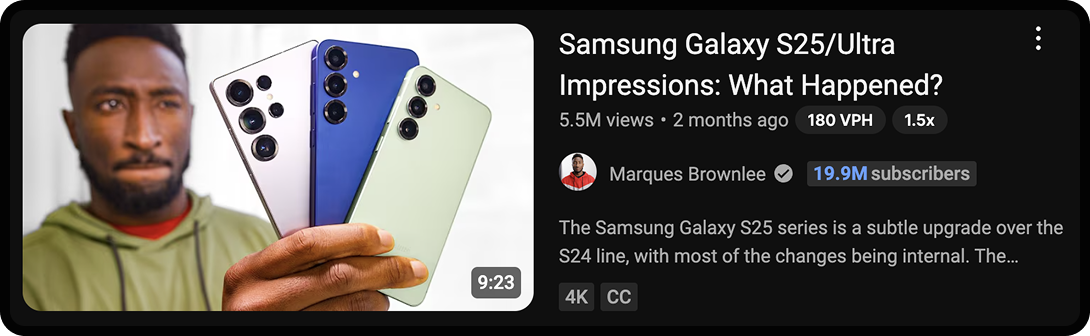
- Every thumbnail should accentuate the video’s title. It all goes hand in hand! The thumbnail creation process should complement your video marketing strategy, help improve end screens, and overall channel analytics.
Again, every niche will differ slightly in execution, but as long as you accomplish these two things with your thumbnail, you’ll be set up for success!
How to Get Good SEO on YouTube
Getting strong SEO performance on YouTube requires you to take a well-rounded approach that combines strategic content creation with keyword research and consistent optimization across every element. You can use keyword research tools like vidIQ to help determine which keywords have strong search volume, and inform your video ideas to make a stronger connection with your target audience by meeting them where they are already searching.
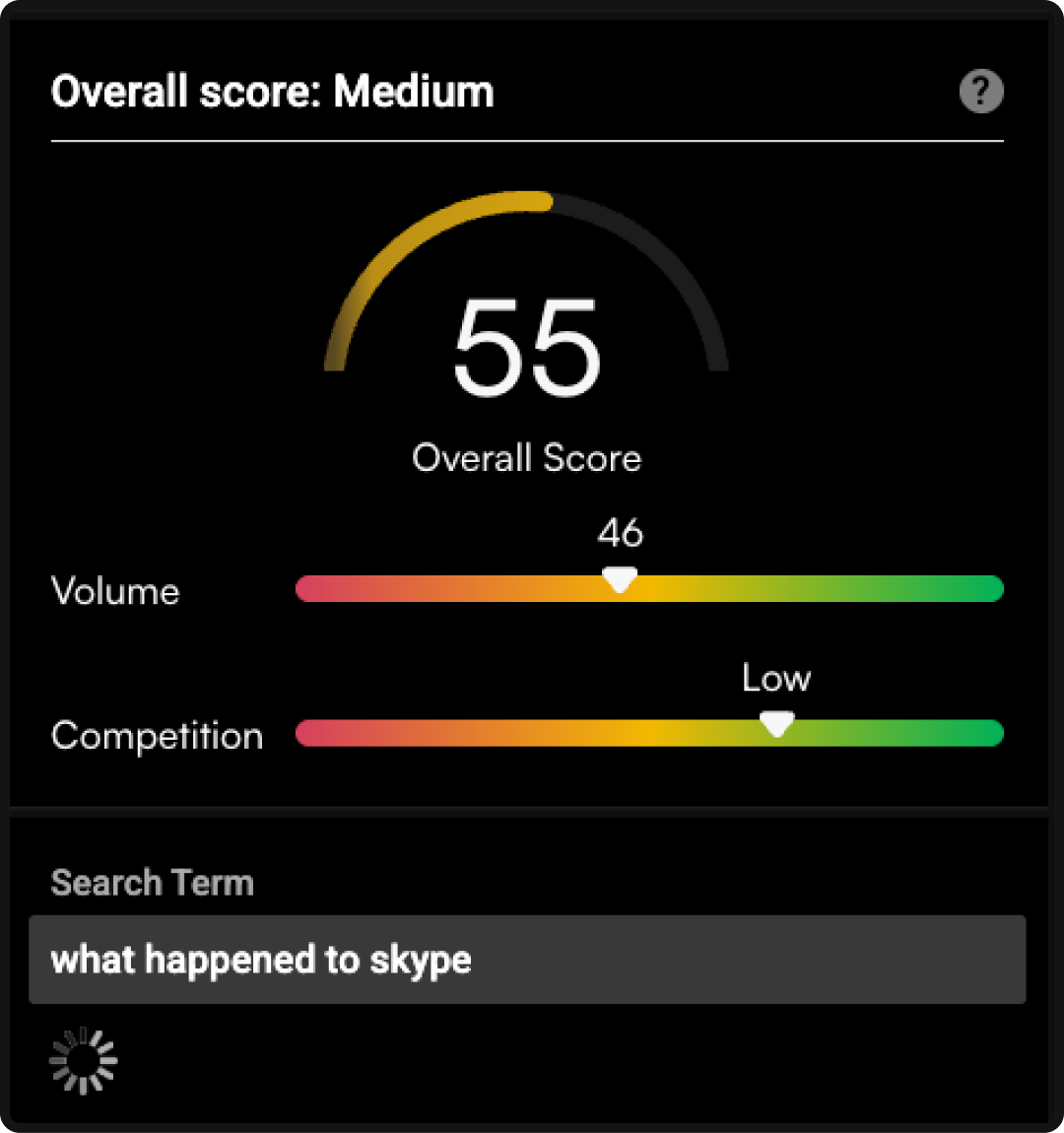
By optimizing your video upload in YouTube Studio, the YouTube algorithm will reward your content. This means carefully crafting video tags that balance between specific and broad search terms, writing your video’s description to naturally incorporate your keywords, and creating compelling video titles and thumbnails that drive click-through rate.
How to Get 100% SEO Score on YouTube
While there’s not an official “YouTube SEO score”, there are various YouTube SEO tools that can help you evaluate your optimization efforts. Tools like vidIQ provide a checklist of good habits you can follow to boost your video’s SEO performance.

Additionally, pay attention to YouTube channel analytics and audience retention metrics. The YouTube algorithm considers metrics like Stay Rate and Watch Time when ranking videos in search results. YouTube Studio provides robust tracking, but vidIQ can help elevate your monitoring strategy.
Remember: YouTube SEO works, but it isn’t the only thing that matters. Creating quality content that resonates with your audience is just as important. Elevating a bad video with YouTube SEO optimization does not magically turn it into a good video.
Does SEO Really Work for YouTube?
Absolutely. These are the YouTube SEO best practices 2026, and strategic optimization continues to show direct impact on video performance. The content creators who invest time into keyword research, understand YouTube search and Google search behavior, and optimize their content will consistently see measurable improvements in their rankings and organic video traffic.
YouTube Studio continues to provide new built-in SEO tools and Google SERP integrations that make optimization more accessible than ever because YouTube SEO is important. By treating your YouTube channel as a serious marketing tool and applying these video optimization techniques consistently, you position yourself for long-term growth in an increasingly competitive social media and search landscape.
Final Thoughts
From the video tags and video descriptions all the way up to the title and thumbnail, every content element plays a role in optimizing your video for the algorithm. Understanding search volumes, competitive keywords, keyword analytics, and SEO impact will help you refine your ongoing strategy for a high-performing YouTube video.
Whether you’re exploring YouTube SEO services or building your own video ideas, remember that a successful content creation strategy revolves around consistency, adapting to the YouTube algorithm, and a commitment to understanding your target audience.
With strategic keyword planning and a content marketing outline, you’ll not only see your traffic source and click-through rates improve over time… but you’ll start showing up as a voice of authority, both on YouTube and Google Search.
YouTube is a powerful marketing channel, and with the right SEO efforts, you can go from wanting to be a YouTuber, to being a YouTuber!