


Google’s integration of AI into its existing search engine with AI Overviews and AI mode has changed how users search. Using AI is less of an option and it’s more of an automatic decision by Google’s own algorithm that decides. This decision has changed user behavior resulting in more conversational queries instead of fragmented sentences.
Brands need to understand the new form of AI-powered search so they can capture visibility by being included in the answer or cited as the source for information in an AI Overview. If they don’t understand this type of search they will lose out and not only lose clicks but also visibility.
What Is Google’s AI Overview & AI Mode?
Google AI encompasses a suite of machine learning and artificial intelligence technologies developed by Google to enhance various products and services. Google AI’s core is its ability to analyze and interpret vast amounts of data to improve user experiences. The technology now built on Gemini 3 is capable of multi-step reasoning, image understanding, and handling complex queries that older models could not. LLMs understand what users are asking and brands that optimize are optimizing for conversational search.
AI Overview
Google AI Overviews are AI-generated summaries that appear at the top of Google search results, pulling from multiple sources to answer a query directly on the page. They rolled out to all US users in May 2024 and have since expanded to over 200 countries in 40+ languages. As of late 2025, they appear on roughly 40-48% of all Google searches, skewing heavily toward informational queries, though they’re increasingly showing up for commercial and even transactional ones.
AI Mode
AI Mode is a separate, fully AI-powered search experience within Google, available as its own tab. Unlike AI Overviews, which sit on top of traditional search results, AI Mode replaces the results page entirely, no ten blue links, just a Gemini-powered conversational answer.
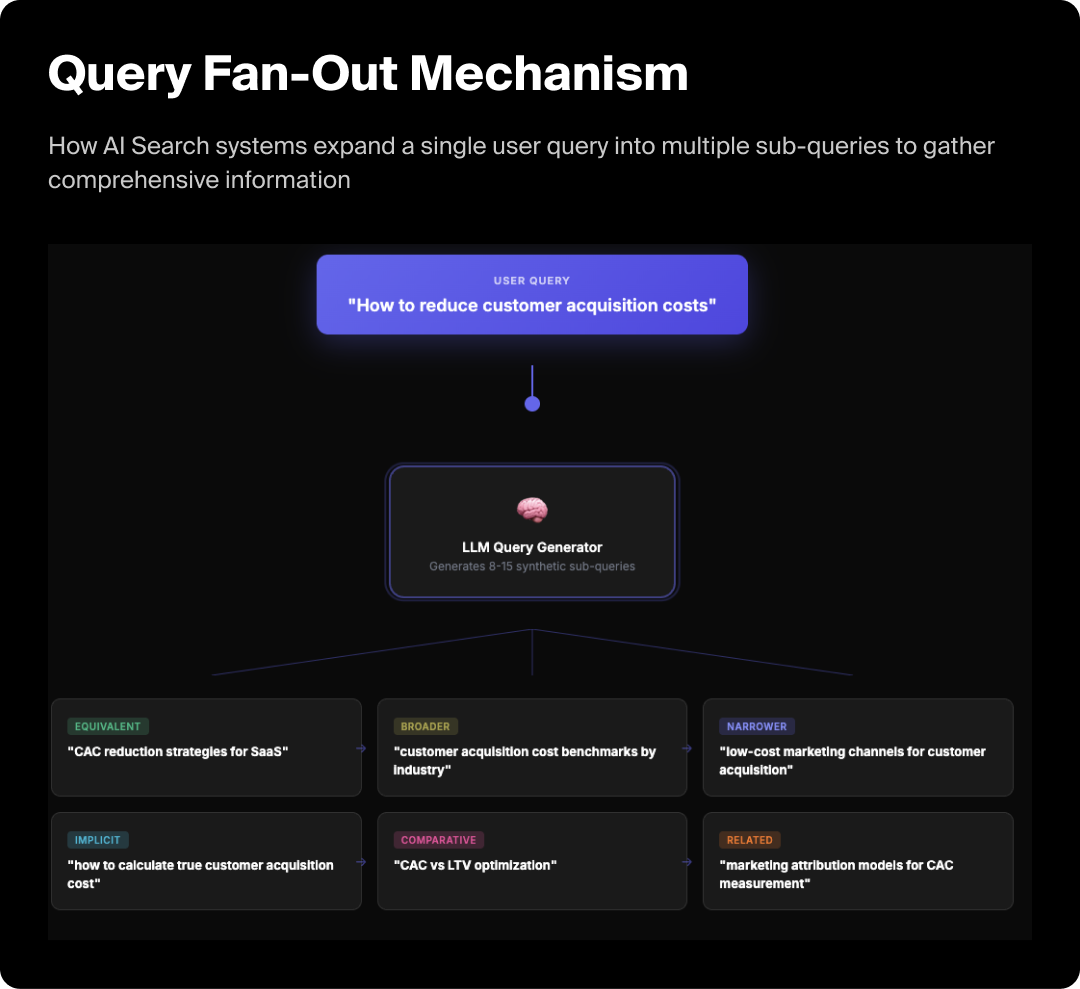
It launched to all US users in May 2025 and expanded globally in October 2025. The zero-click rate in AI Mode is even more extreme than in AI Overviews: roughly 93% of AI Mode sessions end without the user visiting any external website. It also uses a query fan-out technique, running multiple queries simultaneously to build its answer, which means the content it pulls from doesn’t always overlap with what ranks in traditional search or even in AI Overviews.
Understanding the Impact of Google AI Summaries on Organic Traffic
What Impact is Google AI Expected to Have on Organic Traffic?
Google’s AI Overviews have already done what was once projected: pushed organic click-through rates down significantly. Studies put the drop at 58% when an AI Overview is present. AI Mode, Google’s full-page AI search experience, goes a step further: roughly 93% of AI Mode sessions end without the user visiting any website.
This is especially true for informational queries, where users typically seek quick answers.
For example, when users search for “Extractability Principles for AI” they will likely receive a comprehensive AI-generated summary that negates the need to visit a specific website.
If we look at the new search results, this statement rings true.
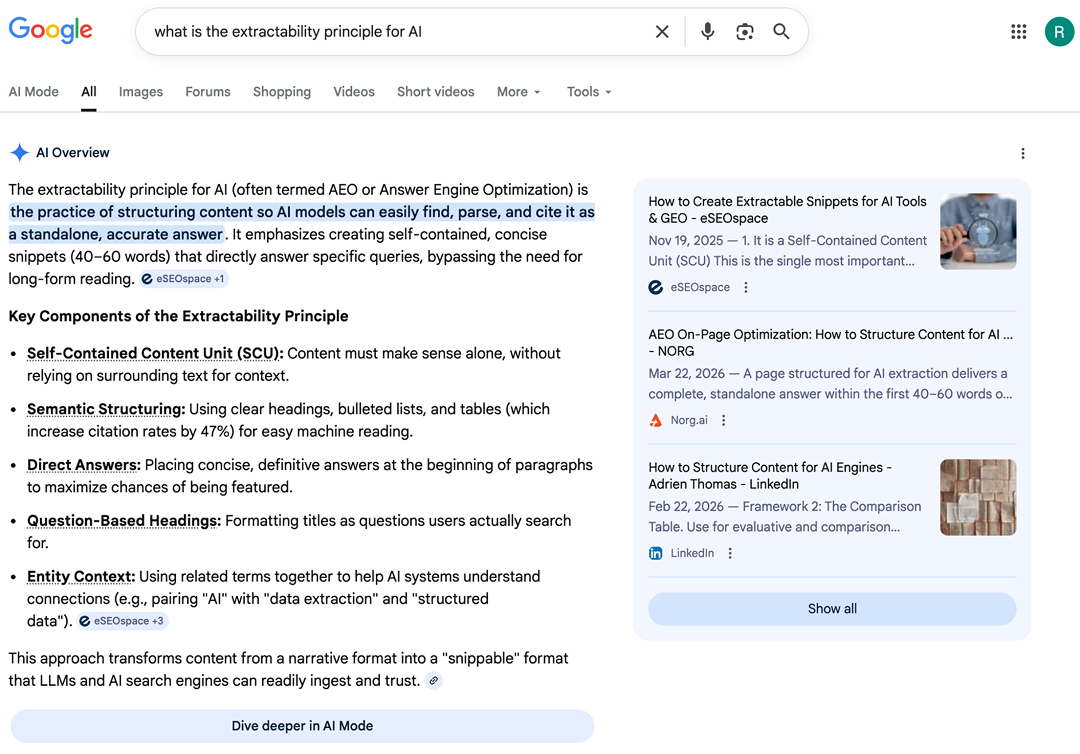
As you can see, these AI summaries aim to offer quick and comprehensive overviews of topics, which means users might rely more on the information provided by Google without visiting multiple sources. This could particularly affect websites that rely heavily on organic search traffic for visibility and visitor engagement.
Instead of clicking through for additional information a user may use the AI Mode button to deep dive into their topic. This moves their search into a conversation format for them to ask questions back and forth without ever having to leave the Google Search Suite.
What Are the Types of Google AI Responses?
Each of the types below impact click behavior in multiple ways. Understanding the nuances allows your team the opportunity to optimize and improve your visibility. You want to connect to users through your content and this should be built into your SEO or AEO strategy. Here’s how they break down:
1. Direct Answer Responses
Google resolves the query entirely on the page. There are no links to click, no reason to go further. CTR for these queries has dropped over 60%, and for the top-ranking page, Ahrefs found an average 58% reduction in clicks when an AI Overview is present. Think definitional queries, quick how-tos, or anything with a single clear answer.
2. Multi-Perspective Responses
Google pulls from several angles and surfaces multiple perspectives. Users sometimes click through to go deeper, but CTR still drops around 46% compared to the same query without an AI Overview. Well-structured articles, tutorials, and expert content tend to get cited here, this is where strong, citable writing still drives some traffic.
3. Deep Research Mode Responses
These show up most in AI Mode, where Google synthesizes across many sources to answer a complex question. The decrease in traffic is countered by the fact that those who do click tend to have a higher intent and are more likely to convert. Long-form guides, original data, and expert opinion pieces are what get pulled in here.
The Practical Takeaway
The query type determines your exposure. Informational terms are the most vulnerable. Mid-funnel and commercial queries are where clicks are still winnable, and where content investment pays off most right now.
How Ranking Factors Have Changed with the Introduction of Google AI
Google’s use of AI has changed how ranking factors are evaluated and prioritized. Traditional SEO strategies focused on keyword optimization, backlink quality, and other on-page and off-page factors. However, with the integration of AI, there is a stronger emphasis on content relevance, context, and user intent. Because of the change we now care about answer engine optimization (AEO) not just SEO.
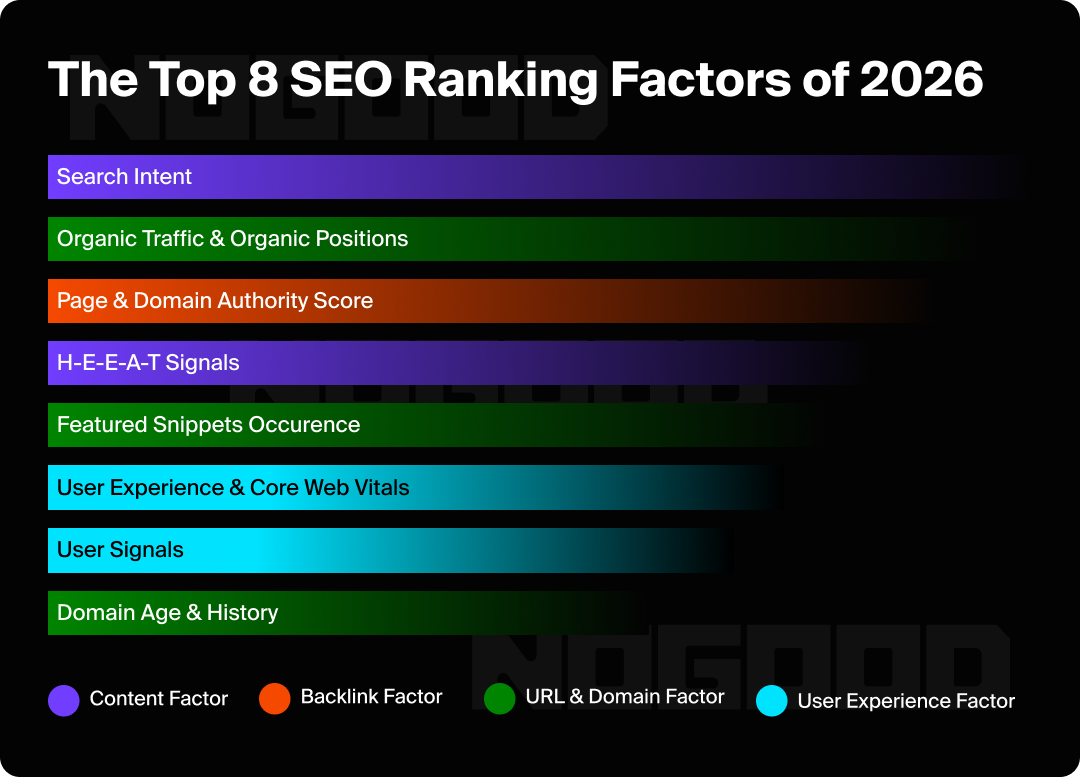
Gemini 3 understands context, intent, and entity relationships at a level previous systems could not, Content quality and depth matter more than keyword matching. Structure, freshness, genuine authority are what get a page cited in AI generated answers.
One significant change driven by Google AI is the rise of zero-click experiences. These occur when users find the information they need directly in the search results without clicking through to a website. As of February 2026, AI Overviews now trigger on roughly 48% of all tracked queries, up 58% year-over-year.
As a result, businesses need to rethink what visibility means. Being cited in an AI Overview or AI Mode answer, even without a click, puts your brand in front of the user.
How AI Overview & AI Mode Influence SEO Practices + Actionable Steps
1. Keyword Optimization
Keyword strategy has changed. Hitting a target keyword density or content score does not move the needle the way it once did. Google’s Gemini systems reward content that genuinely answer real questions with depth. In our experience optimizing content for AI Overviews, content that answers questions directly, uses specific language over vague hedging, and backs claims with named sources consistently performs better in AI citations than content that covers territory broadly without a clear point of view.
Actionable Steps
- I’ve seen many outlines that include specific keywords for writers or content marketers to include in specific sections. Instead of spending time adding keywords for writers, spend time researching topics related to your general query (you can use social search as a starting point here).
- For example, look at TikTok or Reddit to find out what users are interested in (start your search stemming from your primary keyword). Adding more relevant questions for the writer to focus on will help them steer clear of keyword stuffing, and I’ve found the result to be that the article sounds more human-written, natural, and in-depth.
- After reviewing the drafted article, you can now start adding keywords naturally. I know it’s hard not to focus on a “keyword content score,” but I’d say this is becoming less and less important as more top-ranking people often have lower keyword content scores.
- Don’t change the context of the writers’ draft (except if it makes sense regarding the search intent) to make a long-tail keyword fit.
2. Content Quality
Content quality has always been important, but Google AI’s ability to understand and evaluate content has raised the bar. High-quality content that is informative, well-structured, and authoritative is more likely to appear in AI answers. Content that goes deep, cites credible sources, and answers real questions is what gets cited. Investing in quality is not the main lever for visibility in both traditional search and AI results.
Actionable Steps
- The skyscraper content technique is dead (taking the top-ranking content and just improving it a little). You have to be able to give a thought leadership point of view and add something of relevance to the conversation (we call this net information gain).
- Doing more in-depth research is more important than ever before. For example, one way to ensure that your content is informative and authoritative is to get quotes from internal or external sources. While this can also help shape your article, it will differentiate it, too, while adding an extra layer of expertise. Think about it: if your agency is putting out content on a specific topic, you most likely have a bunch of internal experts to tap for this assignment.
3. User Experience
User experience still matters, but the signals have shifted. Google’s AI looks at whether users stay engaged, and finds what they came for. Page speed, mobile layout, and clear content structure all factor in. Sites that get cited in AI Overviews consistently rank in the top 10 organically, so good UX and strong SEO remain connected.
Actionable Steps
- Even though we’ll be covering the more technical side of SXO below, the one thing to note here is to create content that doesn’t read like generative AI created it. Above all of the technical factors, nobody wants to read an article starting with “In the ever-evolving digital marketing landscape, marketing has become essential.” Besides negatively influencing the user experience, you’re also standing a chance to be viewed by Google as a site using abusive tactics to manipulate search results, which is called scaled content abuse.
- Make use of tools to monitor the on-site performance of specific pages, such as Hotjar and Microsoft Clarity. Even though you probably have a lot of data on the performance of these, having an in-depth view of how users are reacting to your content will surely improve your content optimization skills.
4. Zero-Click Experiences
Zero-click is no longer a trend to watch, it is the default for a growing share of queries. About 60% of Google searches end without a click. The goal has shifted from winning clicks to winning citations and visibility. Get your brand named, get your content quoted, and make sure the answer AI surfaces is yours.
Actionable Steps
- Position yourself as an authority in the space… easier said than done, right? Once you become a recognizable and trustworthy brand that constantly pushes out helpful content (that users can’t get from an AI summary), users are more likely to click through to your site.
- Offer downloadable resources while promoting this in your meta descriptions to motivate users to click through to your site.
Need Help Optimizing Your Website for Google AI Overviews?
How to Get Cited in Google AI Overviews & AI Mode: Best Practices
Search Engines vs. Answer Engines
Traditional search engines focus on matching keyword queries with relevant web pages, prioritizing factors like keyword density, backlinks, and meta tags. With the rise of answer engines, the focus shifts towards holistically understanding and addressing user intent.
Answer engines, including Google’s AI Overviews, AI Mode, ChatGPT, and Perplexity, synthesize from multiple sources and surface the most directly useful response. Being one of those sources requires writing clearly, structuring content well, and building genuine topical authority.
On-Page Optimization Tips for AI Overviews & AI Mode
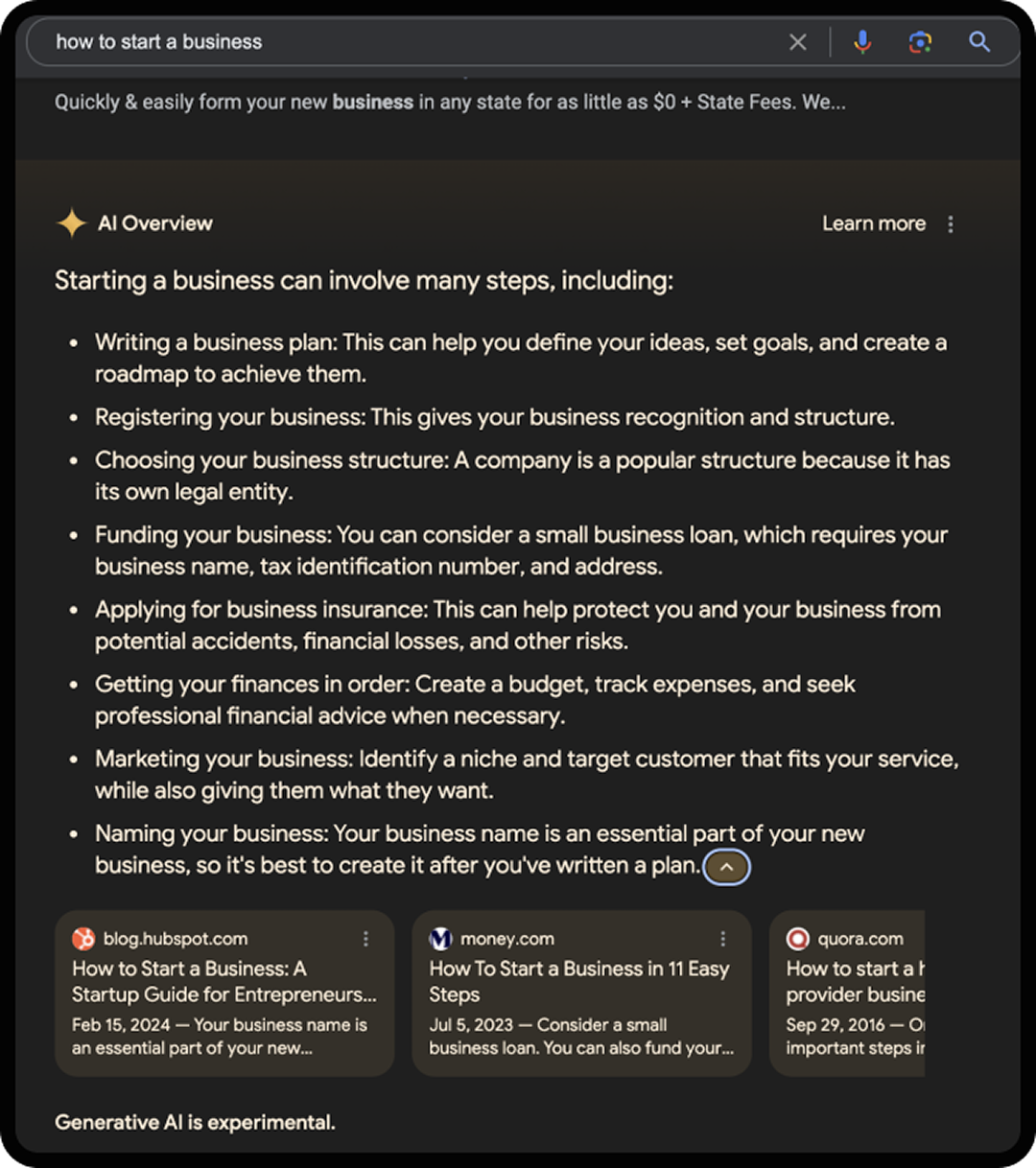
1. Content Format & Style
High-quality content is fundamental to ranking in AI Overview and AI Mode. This involves:
- Depth & Breadth: Ensure your content covers topics comprehensively. Provide detailed explanations, examples, and insights. AI systems heavily weight content from the first 30% of the page, don’t bury your strongest answers deep in the article.
- Authenticity & Engagement: Write in a way that engages readers. Use a conversational tone where appropriate, and avoid overly technical jargon unless necessary. AI systems are more likely to cite content that uses definite language, not vague hedging. Say what you mean directly.
- Visuals & Media: Incorporate images, videos, infographics, and other media to enhance content quality. Visual aids help break down complex information and improve user engagement, making your content more attractive to Google’s AI.
- Content Freshness: Ensure your data is up to date across owned assets and visuals. AI Overviews prioritize freshness, outdated stats or old dates are a red flag.
2. Reverse-Engineer User Intent & Create a Helpful Experience
To create content that meets the H.E.E.A.T (Helpfulness, Expertise, Authoritativeness, Trustworthiness) criteria:
- User Intent Analysis: Understand what users seek when they type specific queries. Use tools like Google Analytics, Search Console, and keyword research tools to gain insights into user behavior and preferences. During this step, it’s also important to note the format in which users prefer their content. For example, say a user is looking for influencer marketing collaboration tips. Are they expecting a lengthy blog article or a video summary?
- Helpfulness: Ensure your content directly answers users’ questions. Provide actionable insights, step-by-step guides, and practical tips that users can apply immediately.
- Expertise & Authority: Highlight your expertise by citing credible sources, including case studies, statistics, and expert opinions.
- Trustworthiness: Build trust by ensuring your content is accurate, up-to-date, and error-free. Include author bios, references, and links to reputable sources to enhance credibility.
3. Structuring Content for Featured Snippets & Knowledge Graphs
To increase the likelihood of your content being featured in snippets and Knowledge Graphs:
- Clear Headings & Subheadings: Use descriptive headings and subheadings to organize your content. This helps Google understand the structure and main points of your article.
- Concise Answers: Answer common questions directly in your content. Use bullet points, numbered lists, and short paragraphs to make the information easily digestible.
- Rich Media: Embed videos, images, and diagrams to complement your text. Multimedia elements can improve your chances of appearing in rich snippets and knowledge panels.
4. Leveraging Schema Markup to Enhance Content Visibility
Implementing schema markup helps search engines better understand your content:
- Types of Schema: To categorize your content, use appropriate schema types like Article, FAQ, HowTo, and Product. This helps Google display your content in rich results formats.
- Structured Data: Ensure your schema markup is correctly implemented and validated using tools like Google’s Structured Data Testing Tool. Schema acts as a cheat sheet for AI, making content meaning explicit rather than implied. FAQPage, HowTo, and SpeakableSpecification schema are all worth implementing for AI visibility.
5. Improve Site Speed & Mobile Responsiveness
Site performance is crucial for both user experience and SEO:
- Page Speed Optimization: Optimize your website’s load times by compressing images, minifying CSS and JavaScript files, and leveraging browser caching. Fast-loading pages are favored by both users and search engines.
- Mobile-Friendliness: Use responsive design to ensure your site is mobile-friendly. Google prioritizes mobile-first indexing, making mobile optimization essential. AI Overviews on mobile have grown year-over-year, mobile performance is directly tied to AI visibility, not just traditional rankings.
6. Product Feeds
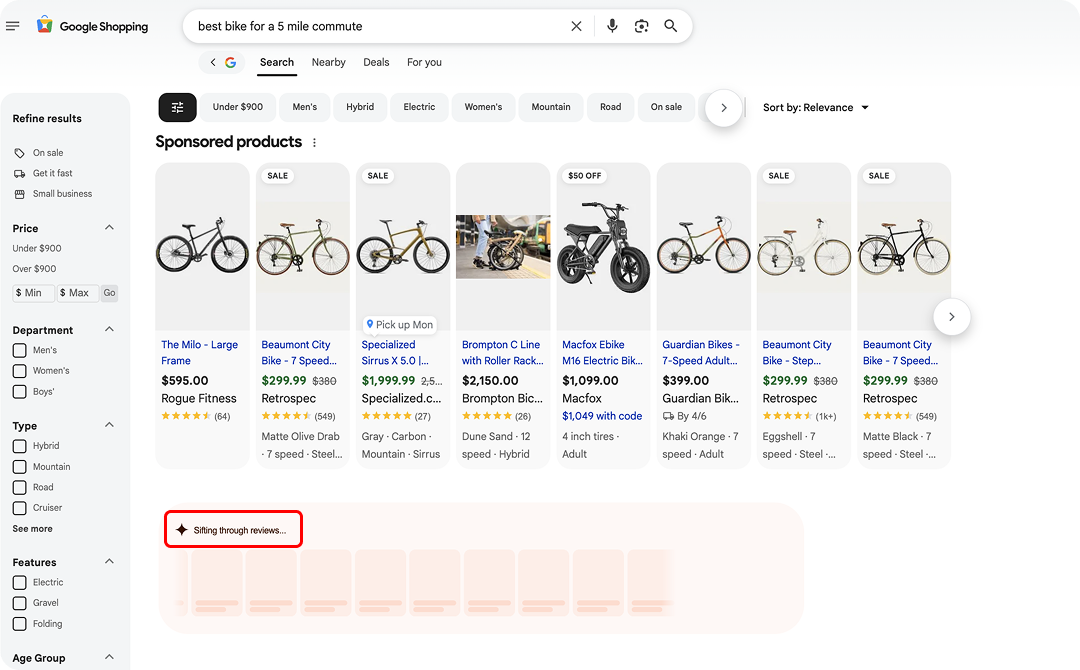
Product feeds are becoming increasingly important for eCommerce sites in the context of AI Overview and AI Shopping. Google’s AI leverages product feeds to provide users with up-to-date product information directly within search results. Most importantly the Shopping tab on Google is powered by Gemini and directly impacts what shoppers see based on AI visibility. These are the factors that matter most:
- Comprehensive & Accurate Data: Ensure your product feeds are comprehensive and regularly updated with accurate data. Include product name, price, availability, images, and descriptions. This helps Google present the most relevant and accurate information to users.
- Structured Product Data: Format your product information using structured data markup (e.g., JSON-LD). This helps Google’s AI understand and display your products more effectively.
- Optimization for Google Shopping: Optimize your product listings for Google Shopping by including high-quality images, competitive pricing, and clear product descriptions. Ensuring your product feed aligns with Google’s requirements can enhance visibility in search results.
- Integration With Merchant Center: Regularly update and manage your product feed through Google Merchant Center. This ensures your products are eligible for display across Google Shopping and AI-generated product results.
- Review Prioritization: Prioritize integrating reviews into your marketing strategy as they significantly influence product visibility in search results. Google views reviews as endorsements from satisfied customers, so emphasizing customer feedback and responsiveness will boost your product page listings.
Off-Page Optimization Tips for AI Search Visibility
1. Forced Indexing
Once a page is updated, force a re-indexation request via Google Search Console. Being up-to-date and showing consistent optimization will benefit your site when battling for the top spot in search results. Using the inspection tool, you can request Google to index your site to see newly added information or improvements to user experience.
While forcing indexing, it’s important to note that for specific keywords, like trendy ones, your content has to be kept updated with new, relevant information, as Google AI prioritizes showing the most helpful content. Freshness matters more now. AI Overviews favor recently updated content for fast-moving topics, not just initial publication date. If a stat or reference in your article is over a year old, update it.
2. Brand Reputation Management & Digital PR
Backlinks still matter, but AI search adds a new dimension: brand mentions. AI systems treat consistent brand mentions across authoritative third-party sources as a signal of authority, separate from backlink equity. Effective tactics include:
- Guest Posting on High-Authority Sites: Contribute high-quality content to reputable websites in your industry. This not only builds backlinks but also establishes your authority and reach.
- Digital PR Outreach: Getting quoted in third-party editorial coverage builds both backlinks and brand mentions, the latter being a direct AI authority signal.This will also strengthen your brand image and help position yourself as a leader in your niche.
- Industry Awards & Recognition: Find industry awards and recognitions to boost your credibility. Highlighting these accolades on your website can improve trust and authority.
- Influencer Marketing for Brand Amplification: Collaborate with influencers to reach a broader audience. Influencer content on platforms like YouTube and LinkedIn also gets indexed and cited, this feeds AI training data, not just reach.
- Affiliate Sites, Awards & Listicles: Get featured in authoritative listicles and award sites. Being listed as a top product or service can drive traffic and improve brand perception.
- Forums & UGC Platforms (Quora, Reddit): Engage in relevant discussions on forums and user-generated content platforms. Reddit and Quora are heavily cited in AI Overviews and AI Mode, participating genuinely in these communities can get your brand directly into AI answers.
- Positive Mentions on Authority Websites: Secure mentions and coverage from high-authority websites. Volume matters: the more your brand appears in AI training data and real-time search, the more likely AI systems cite you as authoritative.
- Product or Service Reviews From Happy Customers: Encouraging satisfied customers to leave positive reviews can improve your brand’s image and influence potential customers.
Strategies for Staying Visible as AI Search Evolves
- Monitoring Algorithm Updates & Their Impacts: Track Google’s Search Central Blog, the AI Mode changelog, and third-party sources. AI Overviews now appear for roughly 48% of all queries and are still shifting, monitoring frequency and format changes in your vertical matters.
- Maintaining a Focus on User Intent & Relevance: Build content around questions, not just keywords. AI systems are more likely to cite content that directly answers a specific question with clear, definite language, not content that hedges or covers tangentially related territory.
- Adjusting SEO Strategies Based on Emerging Trends: As AI continues to shape SEO, adapting to new trends is crucial. This includes optimizing for conversational and AI search as more users turn to ChatGPT, Perplexity, and Google’s AI Mode. Writing in plain, direct language, the kind that reads like a clear answer, improves citation odds across all of them.
- Content Diversification: Diversify across formats, blogs, videos, podcast mentions, Reddit threads, LinkedIn articles. Each format feeds a different AI training and retrieval pipeline. Use your own traffic and engagement data to decide which format resonates with your specific audience rather than copying what works for others.
Tracking algorithm changes, writing for real user intent, and diversifying formats are not new ideas, but they matter more now than they did before AI Overviews. The brands showing up in AI answers are the ones who have been doing this consistently, and building the topical authority and brand signal to prove it.