

Have you ever felt genuine excitement when your favorite influencer posted a new piece of content, or got emotionally invested in the personal drama of your favorite reality tv stars? Love Island fans, I’m looking at you. In 2026, this is far from a unique experience. In fact, considering that 92%, 68% and 63% of U.S. teens alone use YouTube, TikTok and Instagram according to Pew Research Center data, I’d be more surprised if we didn’t develop feelings of intimacy with these celebrity-influencer hybrids.
What are parasocial relationships?
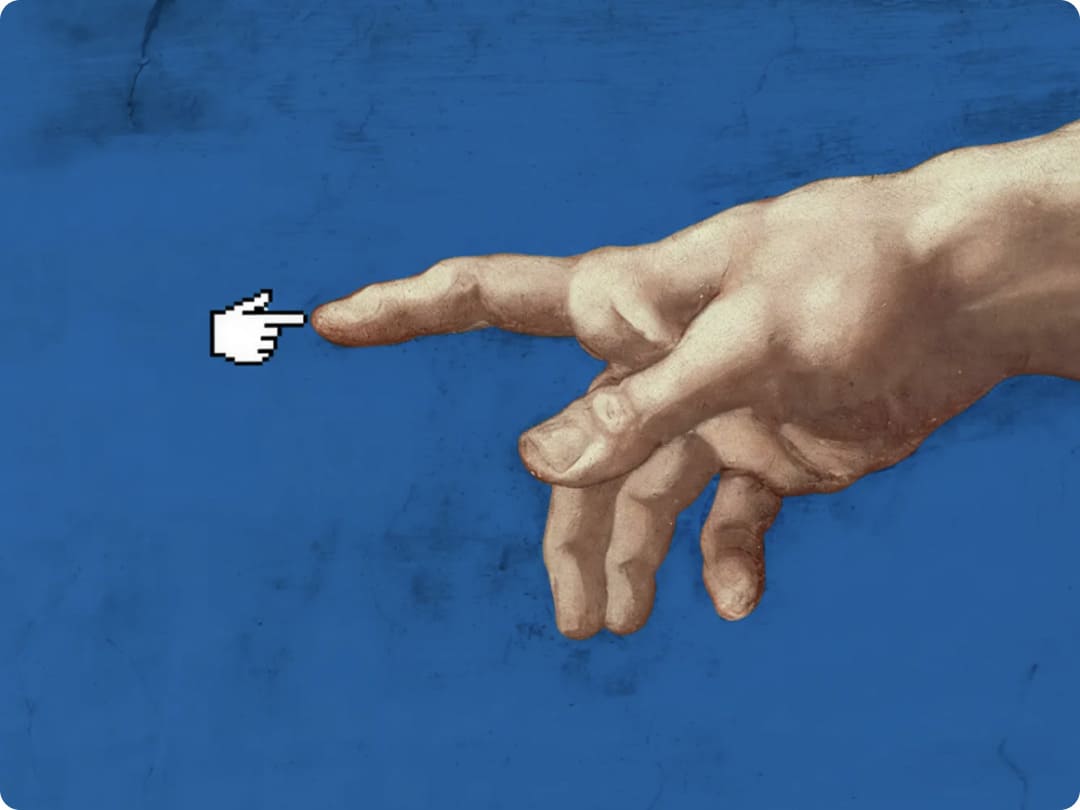
Parasocial relationships are defined as a one-sided relationship in which a person develops a strong sense of connection, intimacy, or familiarity with someone they don’t know, typically in reference to celebrities, influencers, or media personalities.
What makes a parasocial relationship different from a typical celebrity vs. fan dynamic is the imagined reciprocity and mutual connection. Of course, it’s important to note that parasocial relationships exist on a spectrum, and there are varying degrees of feigned friendship.
The Digital Shift
Before you start thinking “we’re doomed” or “social media has ruined us,” keep in mind that the term parasocial relationship was first coined in 1956. Sociologists Donald Horton and Richard Wohl first observed that television audiences were developing feelings of friendship and intimacy with on-screen personalities despite never having met them. So no, the fall of humankind did not start with the iPhone, but good old fashioned tv.
That said, social media has had a hand in speeding things along. Today, the rise of social media platforms has expanded celebrity-fan interactions far beyond what traditional broadcast could ever accomplish. Addictive algorithms, personalized content, and short-form platforms flooding our fyps create the perfect breeding ground for parasocial relationships to fester.
Prior to social media, the only access fans had to their favorite movie stars, musicians, authors, and athletes was limited to what they saw on television. This drastically changed within the past decade, largely thanks to platforms like Instagram, X, Facebook, and TikTok, which gave fans insight into the everyday lives (and behaviors) of celebrities.
Fast forward to 2026 and the term parasocial or even co-dependent couldn’t be more accurate to describe our scrolling habits. If only Horton and Wohl could see us now. In addition to making our favorite (and least favorite) celebrities more accessible than ever, social media has led to a new era of public figures: enter the influencer.
What happens when you pour alcohol over an open fire? An even bigger, angrier fire. That’s how I like to visualize the introduction of influencers to the equation of parasocial relationships. Like straight-up rocket fuel.
Then, there’s the personification of AI chatbots as people turn to them looking for confidants, friends, or in some extreme cases, romantic partners. An Associated Press-NORC Center for Public Affairs Research poll found that 16% of American adults use AI for companionship.
What’s really scary is how fast we’ve all adjusted. It feels as if one night while we were all sleeping soundly, influencers, social media, and AI crept into our homes and installed themselves into our inner psyches.
On that note, let’s look at how this is affecting content on social media.
6 Ways Parasocial Content Is Changing Social Media
Fortunately for brands, parasocial content offers a unique entrypoint for long-term brand loyalty and feeling of deep connection. Per Activate Consulting, 28% of the population are super users, spending an average of 17 hours a day on technology.

What this means for marketing is that brands can easily and seamlessly piggyback off of influencer content, sponsored podcasts, and user-friendly mascots to slip into timely moments, conversations, and trends, shaping cultural currency by default.
The performance and monetization of intimacy
If you’ve been on social or anywhere online for that matter, I’ll bet you’ve been personally peeved by the paywall. The way I see it, subscription models can be directly linked to the rise of parasocial relationships, because they package emotional validation in the form of exclusivity. Take OnlyFans or Patreon for example: intimacy is no longer a byproduct of community, it’s a direct product that you buy into. This trend even extends past social media and shows up in retail too, with consumers paying for an Oura Ring App membership or Strava Premium subscription.
Algorithms feed our bias
Algorithms built to drive engagement amplify content that triggers strong emotional responses. By catering to pre-existing beliefs, our feeds isolate us into self-fulfilling echo chambers, further strengthening parasocial bonds with creators who validate our worldviews.
If you primarily engage with cooking videos, your algorithm will pick up on this and only send you cooking related content like recipes, restaurant recommendations, or food reviews that it thinks you will like based on previous scrolling habits.

Vulnerability > perfection
Audiences reject heavily curated, flawless, highly polished content in favor of perceived authenticity. In practice, this means that creators who share personal flaws, everyday struggles, or problems they’re facing are able to foster deeper empathy and long-term viewer loyalty (even if it’s equally performative). Parasocial relationships create an odd feedback loop where, because creators are seen as acquaintances, we crave genuine content; at the same time, because we crave more genuine content, our desire for parasocial relationships grows.
The illusion of rapport
Constant, frictionless, and immediate updates (stories, livestreams, vlogs, posts) trick the human brain into feeling it has a reciprocal, two-way friendship with a total stranger. When we constantly see these media personalities talking to us like we’re friends catching up on FaceTime, it’s only natural that we begin to develop real feelings of intimacy.
“Brokeback Contessa” is the social media alter-ego of Sammy Nussdorf and founder of gourmet grocery store Meadow Lane. Throughout his entire launch from plan to execution, Sammy shared his real-time experience and updates on TikTok, effectively building brand awareness and community engagement along the way.
By nature, podcasts reinforce parasocial relationships between listeners and speakers. The goal and job of a good podcast host is to make their audience feel like they’re literally in the room with them, that you’re a part of their friend group. The cozy decor and intimate conversations are all working to lull us into a sense of familiarity. Brands often sponsor podcast episodes, strategically being able to target a very specific audience.
Altered sense of trust and credibility
Due to the illusion of rapport, followers easily defer to influencer judgement. Whether it’s product reviews, lifestyle practices, diets, workout routines, or vacation spots, this creates a highly trusting dynamic where the influencer’s advice is weighted heavily, directly impacting purchasing decisions.
A new iteration of an ongoing social trend is the ‘5 things that are worth the money’ where influencers share products, services, experiences that they think are worth the price tag. As far as consumerism and trends go, this one is fairly harmless but goes to show that we’re continuing to outsource personal taste to influencers.
The demand for transparency and values
The expectation for brands and celebrities/influencers/creators to take a public stance on cultural issues only increases with the rise of parasocial relationships. The more an audience feels attached to these public figures, the more they expect transparency on values, and vice versa: the more connected the public figure feels to their audience, the more responsible they feel to step up and respond. On the opposite end of the spectrum, silence can be viewed as shady. After all, the internet is the king of blowing things out of proportion.
What This Means For Your Brand
Parasocial content as defined by one-sided, intimate relationships formed between audiences and media figures is shifting social media strategy. We’re collectively moving away from the broadcast channel format and towards emotionally driven, two-way engagement platforms. Think of it like a symbiotic relationship where both parties (brand and fan) benefit.
Brands are now leveraging these psychological bonds to drive trust, enhance target audience mapping, and directly boost purchase intention. Instead of traditional advertising, modern brand marketing relies on strategies that foster these pseudo-interpersonal connections:
- Rise of the Authentic Micro-Influencer: Audiences often form stronger parasocial bonds with nano and micro-influencers (< 100k followers) because these creators interact closely with their communities, making endorsements feel highly personal. Micro to mid-tier influencers is typically the sweet spot before comments like ‘sellout’ and ‘fake’ roll in.
- Brand Anthropomorphism: People expect brands themselves to take on human-like personas through viral tactics like taking on an unhinged tone of voice, using casual or conversational language in direct messages, replying to comments with sass, creating mascots, and live streaming.
- Transparent Sponsorships: While commercialization is often thought to degrade parasocial relationships, transparent sponsorship disclosures can actually cushion this effect, maintaining follower trust and willingness to purchase.
Use your best judgment to avoid fast-dying social trends. Before you make any sweeping changes to your social media strategy, consider what is true for your brand’s purpose, business objectives, messaging, and goals. Parasocial content might be changing how we consume content, but it doesn’t mean you have to get a mascot or start clapping back on snarky Reddit threads.
FAQ
How do influencers use parasocial relationships to their advantage?
Influencers fuel a co-dependent dynamic that makes us feel like we’re friends with them. By sharing intimate life details, using direct-to-camera formats, and maintaining constant accessibility, they bypass traditional marketing limits. This emotional bond translates directly into higher engagement, lucrative brand sponsorships, and strong sales for their own products.
How did the pandemic affect parasocial relationships?
The pandemic significantly intensified and normalized parasocial relationships. As global lockdowns forced prolonged isolation, we had no other option but to turn to our favorite media personalities, celebrities, and fictional characters for company. For many, these one-sided attachments compensated for the lack of IRL interactions. During the pandemic, one in ten people said they felt a sense of absence if they did not engage with their favorite influencers daily according to a global study from Kaspersky.
How can brands benefit from parasocial relationships?
People trust people. When brands partner with the right people, they can strategically reinforce emotional bonds with their target audience. Emotional proximity can drive better attention, memory recall, and actual mental/behavior. People remember voices and faces they see consistently. According to IZEA, 62% of social media users trust influencers over A-list celebrities and 69% trust the statements made by content creators. For brands, long-term influencer partnerships can aid a deep sense of trust and consistency.