

The traditional earned media pipeline was to pitch your story, announcement, or product to a journalist at a major news publication like Forbes, Bloomberg, Wall Street Journal, or New York Times. Getting your brand featured here was once considered a huge win.
Today, that system is being dismantled. And the winning brands are chasing podcasters, creators, and niche experts in their vertical. Don’t believe me? Look at OpenAI’s acquisition of TBPN (or just keep reading; I’ll break it down for you below).
Technology Business Programming Network (TBPN) is a popular three-hour tech and business talk show reminiscent of ESPN; think flashy graphics, sound effects, expert drop-ins, and casual commentary. OpenAI acquired TBPN in April 2026.
Industry analysts speculate that the acquisition is part of a larger marketing play, giving them a platform to shape the public narrative around AI and speak to a highly engaged audience.
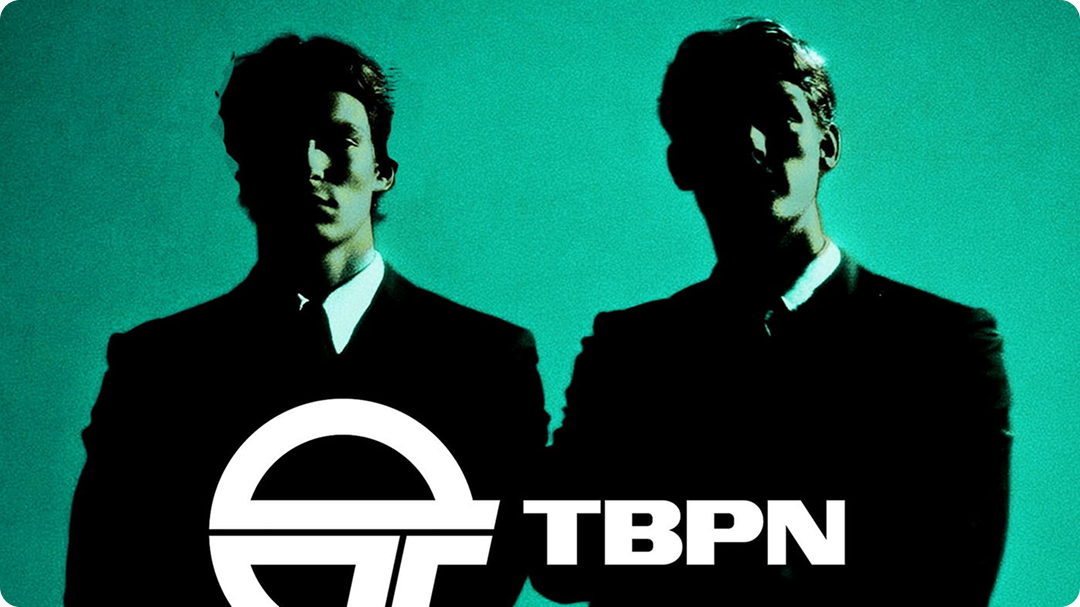
This move isn’t just about a transition in the media. It’s a conversation about where third-party brand credibility is being built and why. The new mark of trustworthy content is not a polished editorial process, but rather the creators, podcasters, and independent voices that audiences choose to follow.
This article is about how to evolve your earned strategy in the age of New Media and why the lines are blurring between PR, content, and organic social teams.
What Is “New Media”?
New Media describes the shift away from centralized, traditional media (TV, big news, and major film studios) as skepticism rises and the information landscape fragments. What are we shifting towards with New Media? Bold, outspoken, net new ideas from independent creators and influencers.
New Media didn’t arrive out of nowhere. In fact, some might argue it’s been quietly growing for the past decade. Trust in the institutions people once relied on has been eroding for several decades. In fact, Pew Research Center reported that only 56% of U.S. adults trusted the information they get from national news organizations.
Similarly, the advertising ecosystem that supported those institutions lost credibility too. Polished, corporate, and measured communication is out. People see through these performative measures and openly discuss their dissatisfaction with over-consumption, polarized news, and virtue signaling among brands.
What is now filling that gap? Creators. Not to replace the media, but to reinstate trust.
What New Media Rewards that Old Media Couldn’t
To win in the New Media landscape you have to succeed on two fronts: (1) populate your brand across as many platforms as possible, and (2) move away from polish.
Why no polish? Polished content is easy to create at scale with AI. This is why original perspective is the new mark of authenticity and value. The brands that can take a genuinely debatable stance and effectively prove it are winning.
A larger trend intersecting the rise of New Media is the return to long-form content. People’s feeds are flooding with short-form soundbites and generic AI outputs. In response, the demand for new and deeper ways to engage with meaningful content is growing. Platforms like Substack, YouTube, and Patreon are growing in users because of it. As a result, the creators and brands we see winning are those that show human craft and perspective.
To illustrate this, take Andreessen’s podcast A16z, which is estimated to attract between 100,000 and 500,000+ monthly listeners. The podcast discusses tech news, cultural trends, and perspectives on the future. In the New Media Playbook episode, Andreessen attributes much of its success to being able to share out seemingly controversial takes in a long-form format (podcasts, Substack essays, etc.).
There are several ways to hop onto the New Media trend, but the easiest is to ask yourself this: is your stance debatable and genuinely new? If not, your owned content may sit idle as an underutilized brand asset.
Why the Traditional Media Pipeline Is Breaking Down
Let’s break down exactly why traditional media was displaced, split out into the three major factors:
Social
Social platforms laid the groundwork for influencers and content creators. The inclusion of niche experts into the social media marketing atmosphere provided a more “real-feeling” spin on content distribution.
Now, social content is growing as a citation source 4x faster than overall citation volume. AI models are pulling more and more from creator-led platforms when answering questions about brands. Reddit and LinkedIn are the only platforms cited across all 10 major AI surfaces studied, making them strategic channels for overall engagement and AI visibility.
“So what” for earned media teams:
- Familiarize yourself with the new people, multimedia formats, and strategies that PR teams can leverage on social media, such as employee-generated content.
- Understand how creators operate and do brand deals to develop successful long-term relationships.
AI Summaries
AI chatbots are quickly becoming consumers’ preferred search bar. And the “citation graph,” which describes the sources and types of content that AI typically cites, is increasingly prioritizing places on the internet where human-generated content can be authenticated. At first it was news publications the models were trained on, then social platforms, and then review and community platforms. The content that is worth citing comes from authentic human testimonials and practitioner-level expertise.
Why then haven’t news publications regained citation share given their domain authority and editorial reputation? A recent Goodie study found that in just six months, six major news publications dropped out of the top 20 sources cited by LLMs, replaced by social and review platforms. This, in part, has to do with licensing deals and a concept known as platform coupling. However, it could also signal that polished editorial content is less valuable to specific user queries than raw unfiltered thoughts, such as those found in podcasts and creator ecosystems.
“So what” for earned media teams:
- Optimize for content that feels authentic, opinionated, and can demonstrate real-world experience.
- Prioritize social and review platforms over chasing outlets with institutional authority. A Reddit thread where practitioners debate a topic and mention your brand organically is becoming more valuable than a G2 listing.
Long-Form Content Revival
A growing appetite for meaningful, human-written content has taken root as AI slop floods the internet. This is reflected in the rise of long-form YouTube content, platforms like Substack, original case studies, and experience-led brands.
The switch to long-form also has an AI citation advantage. YouTube Long Videos generated 51 social citations for every one citation from YouTube Shorts, because of its content-rich transcripts and stable metadata which models need to cite.
“So what” for earned media teams:
- Shift away from quick-hit viral PR and towards in-depth storytelling (interviews, feature articles, podcast segments).
- Seek out partners with long-form content success and begin cultivating internal spokespeople (executives and employees) that can speak to practical experience.
Relax, PR Isn’t Going Anywhere
OK, I know I just said that everything is changing and pitching to news outlets is a dying art, but PR (at its core) is here to stay.
A study from Goodie tracked 45.2 million AI citations and found that 72.2% came from earned sources. This means nearly ¾ of everything that AI models cite when describing a brand comes from what other people say about it. The same citation study also revealed that within industry-specific breakdowns, niche trade publications emerge in the top citations. PR outreach with these players is highly valuable since their content is often experience-rich and practitioner-led.
The difference earned teams should be thinking about:where you look for these third-party voices and how to use these partnerships as channels for thought leadership. Think about how brands can share their unique POV, perspective, and frameworks; that “Net Information Gain” gold that will get your brand ranked and summarized, specifically on social platforms like LinkedIn, X, YouTube, Spotify, subreddits, and niche trade publications.
The act of spreading goodwill about your brand and sharing unique findings is a powerful way to grow brand presence and engagement across both AI and human audiences.
But PR Needs to Think Like Content Teams & Vice Versa
|
Publications & Broadcasters |
Blogs & Social Channels |
Product & Review Platforms |
Industry & Award Bodies |
|
|---|---|---|---|---|
|
Platforms |
Niche trades, podcasts, TBPN |
YouTube, Reddit, LinkedIn Articles, Substack, X |
G2, Capterra, Trustpilot |
Gartner, industry events |
|
Outputs |
Mentions, guest articles, interviews, product reviews, announcements |
Mentions, content shares, product reviews, social interactions, product updates |
Product reviews, features, mentions |
Award wins, speaking opportunities, event attendance, memberships |
This article isn’t just about earned strategy. It’s also about content strategy; and that is because, parallel with the growth of “New Media”, PR professionals will have to become increasingly agile, able to jump between outreach and content initiatives. They go hand-in-hand.
Similarly, content teams will need to think about how social channels can be used as PR levers. Take podcasts as an example:
| Podcasts as an Owned & Earned Initiative Starting a podcast is a content initiative. But a podcast can also become a valuable PR lever.A podcast allows a singular voice or employee to become an approachable face for the brand. Over time, that person becomes someone people can trust and want to work with, driving leads organically. It is also a consistent, indexed platform to build topical authority and increase AI citability. Additionally, a successful podcast offers free publicity for guests, which can be leveraged as a perk for potential customers. The strategic value compounds: every guest you invite is a distribution partner. When a creator, potential customer, or industry voice agrees to appear on your show, they bring their audience with them and typically promote the episode themselves. |
The New Earned Media Playbook
So what are the steps to doing new earned media successfully in 2026?
Step 1: Define Your Value Add
First, audit your unique POV, unique offering, and proprietary data and insights, which can be packaged in studies and reports. From there, you can leverage tangible assets in your earned media outreach.
A unique POV will also signal to creators why your announcement or product has something no one else can offer them.
Step 2: Focus on Creators or Niche Trade Publications
Determine what creators, influencers, and podcasters exist in your niche. Small trade publications that post articles or webinars may also be highly relevant to your target audience and should be leveraged.
Step 3: AI Model Matching
A step often skipped: consider what AI models your target audience uses to search. According to Goodie’s social citation research across 10 AI platforms:
- If your customers primarily use ChatGPT to research, Reddit and LinkedIn Articles are your highest priority.
- If they use Google’s AI surfaces (AI Overview, Gemini, AI Mode), YouTube long-form content is the dominant citation source.
While it’s still recommended to exhaust every channel at your disposal, targeting specific AI platforms is a helpful strategy.
Step 4: The Ask
Many PR professionals have spent their careers discovering how to best pitch journalists. Roughly, that process looks like this:
Dear [Journalist],
- Eye-catching hook
- Personalized opening
- The interesting story, info, or data that you have to offer them
- Credibility
- Ask or CTA
[Additional materials and brand assets attached]
However, many creators find that traditional PR outreach to be inauthentic and out of touch. Instead, here are a few ways to grab the attention of popular creators and influencers.
- Make it as easy as possible: Attach your research, blurbs, or media assets upfront for creators to use as they see fit across image, text, and video.
- Don’t force an angle: Give creators genuine flexibility over how they bring your brand to their community. Respect that creators understand their audience better than you do. As in PR, if you have a story angle that feels like a natural fit for their content, offer it as a suggestion, but don’t frame it as a demand.
- Be upfront about your incentives: State clearly what you’re offering, what you’re hoping to get, and what success looks like for you. Creators work with brands constantly and can spot vague pitches designed to extract value without committing to any. Overpromising is a surefire way to stunt a relationship with a creator.
- Show you understand their audience: Demonstrate in your initial outreach that you truly understand the pain points, considerations, fears, and interests of their target audience. This will increase the likelihood that the creator will respond to your outreach.
- Be conversational: Avoid jargon and keep your ask concise and personable. Successful creators understand the value of authenticity better than most. They will respond to people who emulate a similar form of communication.
- Start with DMs: Consider starting the conversation with a creator by DMing them on their primary social platform (LinkedIn, X, Instagram). LinkedIn is especially helpful for high-quality leads in the B2B creator space.
TL;DR: Media Is Now About Speed & Conviction
The brands and practitioners who are winning right now aren’t the ones with the most polished press kits or the longest journalist contact lists. They’re the ones with something genuinely worth saying, the courage to say it with conviction, and the speed and efficiency to show up where their audiences are.
New Media didn’t kill PR, but it significantly expanded its scope.
To start building an earned New Media strategy ready for the AI search era, focus on honing your point of view, finding the creators in your niche, and pitching them insights, not stories. The coverage will follow.
New Media & Marketing: Frequently Asked Questions
What is “New Media” in marketing?
New Media is the shift away from legacy publications as the primary arbiters of brand credibility, toward creator-led platforms: podcasts, Substack newsletters, YouTube channels, niche communities. Think less Wall Street Journal staff writer, more 50,000-subscriber podcaster who owns a very specific corner of your industry.
How is earned media changing in 2026?
The channels have changed more than the principle. AI models are de-emphasizing legacy publication authority and surfacing more authentic, practitioner-level voices instead. For PR teams, that means the pitch list looks very different now.
What is Earned Media vs. New Media vs. new earned media?
Earned media is the coverage your brand doesn’t produce itself. New Media describes how that coverage now lives in social platforms as creators overtake traditional news publications.
How do you get earned media coverage in the creator economy?
Start with what your brand actually knows that no one else can replicate, then find the creators and podcasters where your audience already spends time. Reach out conversationally, give them your insight, and let them decide what to do with it. They know their audience better than you do.
Does earned media still matter for AI search and GEO?
Yes, and significantly. Roughly 72% of AI citations come from earned sources, so what others say about your brand carries far more weight with LLMs than anything you publish yourself. Social citations are growing fast, but earned coverage remains the dominant signal.