
If someone told you before the TikTok era that all you needed for viral content was a mic, a camera, and a crowded sidewalk, you probably wouldn’t have believed them. Well, in this generation, it makes sense, and there’s a reason that man-on-the-street interviews have risen to become a staple piece of content (especially on platforms like TikTok).
It’s the unscripted, out-of-pocket, random answers and genuine interactions that draw people in. People love hearing different perspectives, and that kind of content has become one of the most engaging formats on social media, and is something brands are quickly catching onto.
Creators are now filling our feeds with street interviews that feel authentic, surprising, and easily shareable, but what makes this kind of content hit hard? More importantly, how can your brand tap into that same magic to make content that truly connects? Let’s break down the trend that’s reshaping the way brands talk to their audiences.
What It Means to Hit The Streets
So, what are MOTS interviews? Short for “man-on-the-street”, these are informal interviews where hosts or interviewers ask everyday people about their opinions and experiences on various topics. At its core, this style of content is completely unpredictable; just pure reactions and responses from real people.
It began as a reporting technique for network news: field reporters headed out to cover breaking stories or weather updates, taking an extra second to stop a couple of random strangers to get their immediate reactions and opinions on the news of the day.
The ratings didn’t lie; viewers ate this up. Showcasing everyday people made audiences feel connected and understood. These “regular” humans voicing their opinions made the news feel more authentic and entertaining (especially when things went south on live TV, like receiving unhinged answers or bloopers of people in the background). Now, combine that with the rise of internet culture? You’ve struck gold.
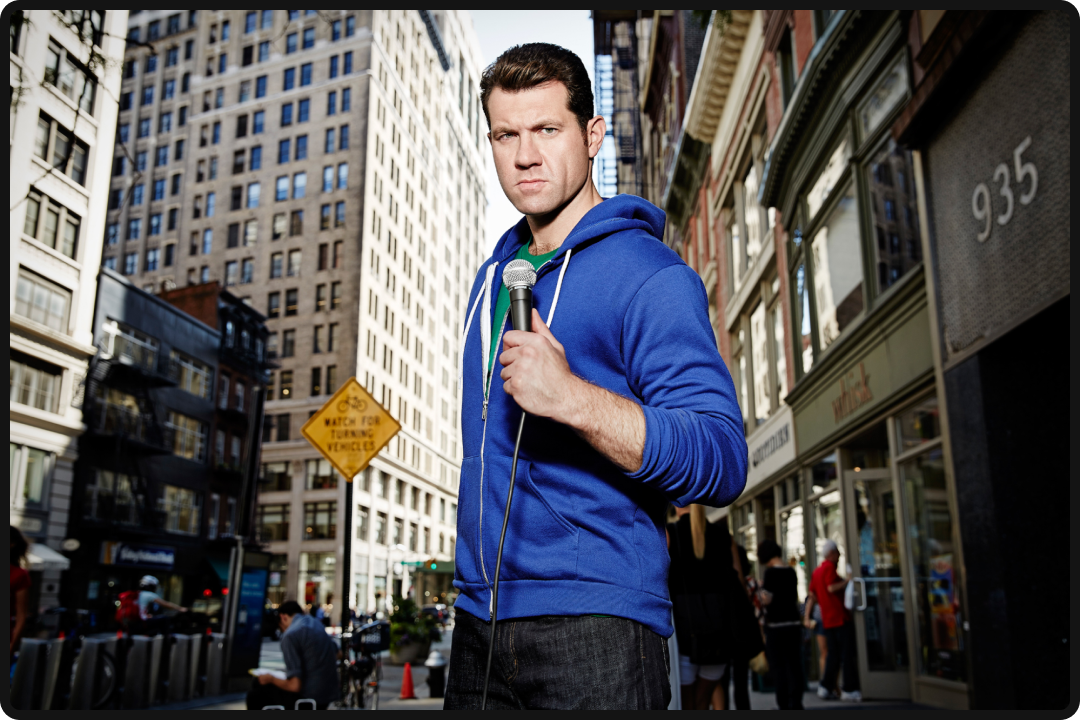
Shows like Billy on the Street are a perfect example, where comedian Billy Eichner lurks the streets of New York City, running up to people to ask the hottest pop culture questions. That in-your-face style, high-energy approach is what gets people hooked; and what separates MOTS from boring reportive news.
Why This Content Format Is Dominating Right Now
We know this format is crushing it on socials for its unfiltered and honest content, but what is it specifically that has people wanting more?
The Currency of Authenticity
Everything nowadays feels overly produced, and even reality TV isn’t really reality TV anymore. Shows and media are all filtered, so when something raw and unpolished shows up, it feels refreshing (add into this mix the rebellion against AI-generated content, and you’ll see what I mean).
When brands tap into true authenticity, it feels empathetic, showing viewers that your brand listens, and that you understand the type of content that resonates with users. This shift toward genuine, creator-led content has redefined how audiences perceive brand messaging: moving away from polished influencer promotions toward relatable, human interactions that build real trust.
💡 Pro Tip: Brands and content creators can also use this format to try to understand what people want and what they look for, depending on the topic, which in turn becomes easy market research.
MOTS Is Built For Engagement
Short-form videos like man-on-the-street content are easily shareable and are more likely to gain attention and engagement. In fact, short-form videos generate 2.5 times more engagement than longer videos, with 66% of marketers saying these bite-sized clips are the most engaging form of social content. The shareability factor lies mostly within the element of surprise within the video and the invitation to form an opinion as a viewer.
It forces viewers to put themselves in the interviewees’ shoes and think, “What would I say?” or “You couldn’t waterboard this out of me.” It starts a snowball effect, with the most engaged viewers sharing first with friends and family to get their opinion, and spiderwebbing out into a world of reach.
Algorithm-Friendliness
As much as retaining the “human element” remains Priority Number One, brands also need to understand that they are now posting for the algorithm, not for their followers. This format, with quick cuts and different responses, can easily be read by social media algorithms and put on the feeds of those who will understand and will want to interact with. TikTok leads all platforms with an average engagement rate of 2.50% (five times higher than Instagram) making it the ideal platform for this type of authentic, rapid-fire content.
Our Top 4 Man-on-the-Street Content Creators & Why It Works
Billy on the Street
Billy on the Street originally aired on Fuse and truTV from 2011-2018 (with additional digital episodes through 2022). The show features comedian Billy Eichner sprinting through the streets of New York City in his signature high-energy, unfiltered style, ambushing unsuspecting pedestrians with rapid-fire pop culture trivia questions for cash prizes.
Often joined by celebrity guests ranging from Michelle Obama to Will Ferrell, Eichner’s manic enthusiasm and willingness to be brutally honest with strangers (sometimes with consequences) is a unique blend of comedy, cultural commentary, and genuine surprise.
The show earned four Emmy nominations and has become a cult classic.
Why it works:
- High-energy, confrontational format: Billy Eichner’s in-your-face approach and willingness to argue with strangers creates unpredictable, laugh-out-loud moments that feel genuinely spontaneous.
- Celebrity integration that enhances rather than overshadows: A-list guests like Julianne Moore, Seth Rogen, and even First Lady Michelle Obama participate in absurd games that showcase their personalities in unexpected ways.
- Memorable recurring characters and segments: From beloved contestant Elena to games like “Quizzed in the Face,” the show built a universe of inside jokes that kept audiences coming back.

What’s Poppin? With Davis!
What’s Poppin? With Davis! is a viral TikTok man-on-the-street series hosted by Davis Burleson. Since its launch in the early 2020s, the show has amassed 2.1M+ followers and 229.8M+ likes by capturing the essence of New York City through rapid-fire interviews with everyday people (and occasional celebrities) at Washington Square Park.
Host Davis Burleson, a Houston native who moved to NYC to study photography, brings charm, wit, and energy to every interaction; he asks questions about everything from pop culture to dating to eating pigeons (yeah, you read that right).
His signature style has led to major opportunities including hosting backstage streams at the Grammy Awards, appearing on Project Runway, and working with brands during Copenhagen Fashion Week.
Why it works:
- Authentic New York personality: Davis captures the vibrant, diverse spirit of NYC by interviewing real people in iconic locations, making viewers feel connected to the city’s unique energy.
- Rapid-fire, conversational format: The quick pace and Davis’s natural charm keep content snackable and shareable, perfect for TikTok’s algorithm while maintaining genuine human connection.
- Consistent location creates community: By regularly filming at Washington Square Park, Davis has built a recognizable brand and community of fans who hope to be interviewed, creating organic buzz and repeat viewership.

Gaydar
Gaydar is a groundbreaking TikTok series hosted by drag queen, content creator, and actress Anania Williams (who has 2.3M followers of her own). Launched in July 2024, Gaydar combines comedy with queer history education through a format where Anania quizzes unsuspecting New Yorkers (and, of course, occasionally celebrities like Chappell Roan, Bob the Drag Queen, and even New York mayor Zohran Mamdani) to determine if they’re “gay, straight, or a homophobe.”
The questions range from pop culture trivia to important LGBTQ+ legislative history, creating an accessible entry point for folks to learn about queer culture while being thoroughly entertained. With 286.8K+ followers, over 80 million views, and 12.1 million likes in its first year, Gaydar has become the internet’s unofficial queer history teacher.
Why it works:
- Education disguised as entertainment: Gaydar teaches crucial queer history and cultural moments that many people missed in school, making learning feel fun rather than heavy-handed.
- Anania’s disarming charisma: Anania brings warmth, humor, and authenticity that makes even nervous straight participants feel comfortable opening up and having fun.
- Perfect timing and cultural relevance: Launching in the era of Reneé Rapp and Chappell Roan, the show taps into growing mainstream interest in queer culture while providing substance beyond surface-level allyship.
SubwayTakes
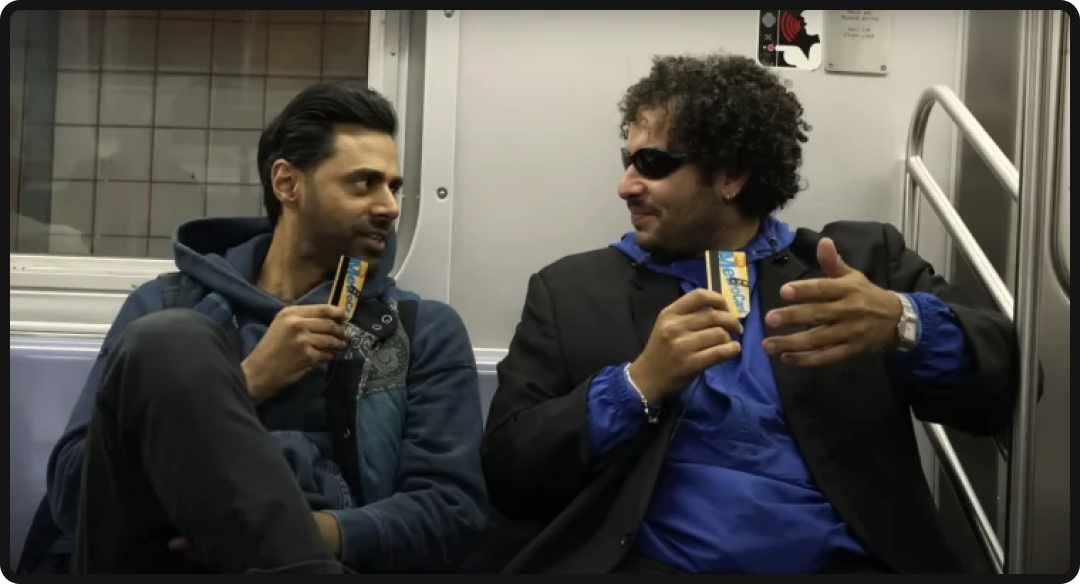
One of TikTok’s most popular interview series, SubwayTakes is hosted by comedian and media personality Kareem Rahma. Launched in 2023, the show features Rahma (almost always dressed in an oversized vintage suit and signature dark sunglasses) roaming the New York City subway system with a microphone clipped to a MetroCard, asking passengers to share and defend their most controversial or unique opinions (aka, their “take”).
What started as a casual experiment has exploded into a cultural phenomenon with 1.3M+ followers and 77.9M+ likes, attracting A-list celebrities like Cate Blanchett, Lil Nas X, FKA Twigs, and many more.
Since its inception, Rahma has expanded SubwayTakes into a podcast (SubwayTakes Uncut) and secured brand partnerships with companies like Google, Microsoft, and UPS.
Why it works:
- Embraces playful debate over cancel culture: SubwayTakes creates a rare space where people can argue about absurd opinions (like “we should throw all chiropractors in prison”) without anyone getting genuinely offended, restoring the lost art of debating just for fun.
- Transit as the ultimate equalizer: Filming on the subway democratizes celebrity interviews, putting everyone on the same playing field and creating authentic moments as opposed to polished press junket soundbites.
- Kareem’s strategic non-participation: The sunglasses and suit create a character that allows Rahma to remain somewhat detached, letting the guest be the star while his reactions (agreement, disagreement, or bemusement) punctuate the entertainment.
How Brands Can Get In on the Magic of Street Interviews
If you’ve got a camera, a mic, and a dream, you’re almost there. Here are a couple of other things that might help you join the wave:
- Have a Gameplan: The responses to MOTS might be random, but your strategy definitely shouldn’t be. It’s important to engineer a plan including location, focus, questions, casting, and more. Building a comprehensive TikTok content strategy means understanding your audience, defining clear objectives, and creating content pillars that align with both your brand values and platform best practices.
- Location, Location, Location: If you’re looking for people, you can’t choose a quiet place; but you can’t pick the busiest street, either. You need to find a happy medium: a place where people want a distraction and are willing to take their time for you. Knowing your target audience prior to picking a location will also help you get exactly the video you’re looking for.
- Pro Tip: Think about your audience; whether it be tourists, tech conference attendees, or college kids, finding a location that resonates with the focus of your video will benefit in the end.
- Ask Better, Get Better: Brand storytelling is still king; you can’t expect to get great answers if you ask your interviewees basic yes or no questions. They need to be thought out, intricate, and something that would push people to think outside of the box. The goal for your video is for it to be entertaining, and that all depends on what these strangers are asked.
- Energy Makes It Work: Make sure the energy is high. It keeps the momentum going and prevents your videos from being scrolled past. Whether you decide to go full Billy on the Street or strictly conversational, try to keep the pace going. Also, remember, interactions are strongest when the energy flows both ways.
- Pro Tip: Not every stranger is a star interviewee, so try to seek out people who bring good vibes and aren’t afraid to be bold in their response.
- Hits Harder In Post: Post-production is where the story truly takes shape. After you’ve compiled your responses, make sure to put together the highlights, and don’t be afraid to add in the awkward moments, too. Those are what many viewers find the most relatable and shareable.
- Pro Tip: Short-form videos hold viewers’ attention better, with a 60% halfway-watch rate compared to just 38% for longer content (so keep your edits tight and engaging).
Conclusion: The Streets Are Calling
This format has proven to work. Creators of pages like What’s Poppin? With Davis!, SubwayTakes, and Gaydar all have fascinating results on their page, and use some of these core content strategies. The creator economy has made it possible for brands to partner with these authentic voices, leveraging user-generated content to build trust and drive engagement at scale.
What started as a classic reporting technique has become a go-to content format brands can’t afford to ignore. In today’s digital world, it’s hard to find genuine human moments and offer something this generation undoubtedly lacks (and don’t I know it): authenticity and connection.
The sooner that brands and creators embrace this format, the faster they’ll build engagement, trust, and authentic connections with their audience. Making sure to ask questions that matter to the algorithm you’re catering to and the audience that you want to reach.
People on the street have always had something interesting to say; now, we’re finally giving them the spotlight. And it’s a two way street: the people feel heard, seen, and understood, and brands are recognizing that the best content doesn’t always have to be high-production, but can come from a spontaneous conversation with a random person on the street.