

Paid ads on social media: they’re the thing we love to complain to our friends about, but also secretly depend on because they surface exactly the products and services we need at the right moment. A skincare brand that actually understands your concerns? Saved. A tool that solves a problem you’ve been struggling with? Bookmarked. Whether we like it or not, paid ads on social media are growing exponentially as more and more users spend their time on social platforms.
But alas, paid social isn’t immune to the insane industry shifts we’ve seen with other marketing channels; the reality is, paid social has also fundamentally transformed. It has evolved to be much more than just Facebook, Instagram, and TikTok.
As marketers navigate this new landscape, staying ahead means understanding not just what’s working today, but what’s has reshaped, is reshaping, and will continue to reshape the entire ecosystem.
So what are the most critical paid social trends defining 2026? Here are some of the trends I’m personally excited about, what they mean for advertisers, and why you should take note.
1. ChatGPT Advertising Disrupts Traditional Paid Social
Let’s address the main change: OpenAI announced in January 2026 that they are introducing advertising to ChatGPT, and it’s already reshaping how brands think about paid social. ChatGPT ads should not be treated as “just another channel,” or a row to add to your budget sheet; they’re conversational commerce at scale.
OpenAI’s ad platform allows brands to appear as recommended solutions within ChatGPT conversations. When users ask for product recommendations, travel suggestions, or service providers, sponsored responses appear alongside organic recommendations.
The key difference? These ads feel like natural parts of the conversation, not interruptions.
How ChatGPT Ads Work
Unlike traditional social ads, ChatGPT ads respond to explicit user intent. Someone asking, “What’s the best project management tool for small teams?” creates a perfect moment for relevant brands to appear as solutions. ChatGPT and other AI assistants have the not-so-secret weapon of purchase intent data, because millions of people use them as shopping assistants daily already.
These LLMs basically know what people are considering buying before people even search Google or social media. That makes AI conversational platforms potentially more valuable for advertising than traditional social platforms; the intent signal is exponentially stronger.
ChatGPT ad targeting relies on conversational context rather than demographic data. Your ad appears based on what someone’s actually asking about at that moment, making traditional interest-based targeting look like child’s play.
What This Means for Advertisers
Brands need to shift from interruptive advertising to answer-based marketing. Stop thinking of your ad creative as an image or video; rather, it should serve as a helpful response that solves the user’s immediate question while positioning your product naturally.
The Catch: You need exceptional Answer Engine Optimization to even qualify for ChatGPT’s ad platform. Your brand needs to appear in ChatGPT’s knowledge base as a recognized entity before you can advertise.
2. Answer Engines & Social Media Platforms Become Search Engines
If you thought SEO was important, welcome to the era of AEO; or Answer Engine Optimization, or GEO, or AIO (the industry hasn’t settled on a name just yet, it seems).
You may be wondering why I’m talking about an organic search optimization tactic in this article about paid social. It’s because in 2026, optimizing for AI answer engines like ChatGPT, Google’s AI Overviews, Perplexity, and other LLMs isn’t optional; it’s the foundation of effective paid social strategy (even though we’ve been saying this for years).
Instagram and TikTok also now have built-in AI assistants that answer questions without leaving the app. Ask “best restaurants in Brooklyn” and you get AI-generated answers pulling directly from creator content, not Google results. LinkedIn’s AI assistant focuses on professional questions, drawing from the platform’s content and user expertise to answer career and business queries.
What Is AEO & Why Does It Matter for Paid Social?
AEO focuses on making your brand, products, and content citable by large language models. When someone asks an AI a question related to your industry, AEO determines whether your brand gets mentioned as a solution (that’s the short answer).
So, in order to be shown to users, your organic content needs strong AEO to appear in these in-platform AI answers.
Let’s bring it back around to paid social. Social content isn’t just for engagement anymore; it’s training data for platform AI systems. This directly impacts paid social in a few critical ways:
- Google has been indexing Instagram content since July of 2025; that means Gemini, AI Overviews, and AI Mode are all potential places where your social content can show up for users.
- Platforms like ChatGPT require a strong AEO presence before allowing you to advertise. If LLMs don’t recognize your brand as a legitimate solution, you can’t access conversational ad placements.
- Even traditional social platforms now use AI recommendation systems that pull from similar knowledge bases. Meta’s Advantage+ campaigns and TikTok’s Smart Performance campaigns leverage LLM-style understanding to match ads with users.
Ergo, strong AEO improves your performance across all AI-powered ad platforms.
The AEO-Paid Social Connection
Think of AEO as the new SEO, but instead of ranking in search results, your brand is becoming citable in AI conversations. This citability then, in turn, unlocks advanced paid social placements across conversational AI platforms and improves performance on traditional social platforms using AI targeting.
Brands creating content that directly answers common questions in their industry are getting featured in these AI responses, driving organic reach. Then their paid ads benefit from appearing near their own organic AI citations, creating a credibility multiplier effect.

3. LLM-Powered Creative Optimization Reaches Maturity
AI tools for paid social have existed for years, but 2026 marks the year AI creative optimization actually works consistently. We’re officially past the experimental phase, and have entered into genuine utility (hallelujah).
What’s Changed With AI Creative Tools
Modern AI tools don’t just generate headline variations anymore. They analyze your brand voice across all content, understand your visual identity, and create on-brand variations that actually maintain consistency:
- Meta’s Advantage+ Creative Suite now uses advanced AI that understands brand guidelines at a sophisticated level. You can input your brand book once, and the system generates ad variations that genuinely respect your visual and tonal standards.
- TikTok’s Creative Assistant uses AI trained specifically on viral content patterns. Instead of making random variations, the assistant identifies what makes content shareable on TikTok specifically, and applies those patterns to your brand content.
Where to Use AI Tools Confidently in 2026
- Full Campaign Automation: Advantage+ Shopping Campaigns and TikTok Smart Performance Campaigns now outperform manual campaigns in virtually every test we’ve seen. If you’re still building campaigns manually, you’re leaving performance on the table.
- Dynamic Creative Optimization: AI now generates hundreds of ad variations testing different hooks, value propositions, and CTAs simultaneously. The systems learn which combinations work for which audience segments faster than any human could.
- LinkedIn’s Dynamic Personalization: LinkedIn ads can now include personalized elements like your first name, last name, company name, and job title directly in creatives. The platform optimizes when to use personalization based on whether it actually improves performance.
Where to Still Proceed With Caution
- Brand-Critical Visual Content: For hero campaigns or brand launches, visuals made using AI still need significant creative director oversight. The tools are good, not perfect. For example, Creative Enhancements; I’ll preface this by saying that if you’re advertising for a brand that has strict visual guidelines, run away from these.
- Regulated industries: Healthcare, Finance, and other regulated verticals still need human legal review on all AI content. AI tools might be great for efficiency, but don’t hit “publish” without an actual human giving things a final check.

4. Short-Form Video Fragments Into Micro-Content
Short-form video isn’t disappearing, but it’s evolving beyond the 15-60 second format that dominated in years prior. In 2026, we’re seeing the rise of micro-content: videos under 10 seconds designed for even shorter attention spans.
Why Is Short-Form Video Such a Powerful Tool for Marketers?
In short, our attention span can be likened to that of a goldfish these days (the jokes you’ve been seeing on TikTok about it are true, I fear). The average attention span for most users has been steadily declining, according to studies such as those by Gloria Mark for the American Psychology Association.
That means that short-format videos are more likely to hook audiences quickly, deliver key messages effectively, and drive meaningful engagement. If you ask me, 15 seconds or less is ideal. That’s not to say that the average attention span is under 15 seconds (but it is getting there; we’ve dropped down from 2.5 minutes in 2004 to just 47 seconds in 2025).
Users now swipe faster than ever, too. Content needs to deliver value in the first 2-3 seconds or it gets skipped. In turn, platform algorithms increasingly favor watch-through rate over total watch time. A 6-second video that 90% of viewers watch completely outperforms a 30-second video that most people abandon halfway through. It’s all about stopping the endless scroll and earning that rare moment of attention.
What Works in Micro-Content
- Single-concept videos that communicate one clear idea in under 8 seconds. No setup, no explanation; just immediate value.
- Text-on-screen heavy content that doesn’t require audio. Most users still watch with sound off, and micro-content needs to work silently.
- Pattern interrupts that are visually shocking enough to stop the scroll. You have less than one second to capture attention now.
- Having user-generated content (UGC) that resembles the look and feel of the brand’s organic presence tends to work best. It’s important for users to have a cohesive experience from what they see in an ad to what’s on the organic social page, to what they find on the website.

The thing is, creating effective micro-content is actually harder than making longer videos. You need to compress value, establish brand recognition, and drive action in seconds. Brands succeeding with micro-content are treating each six-second video (throwback to the Vine days) as a billboard, not a story.
The goal isn’t to explain everything, but to create enough intrigue to drive a click or follow.
5. Platform-Specific Strategies Are Non-Negotiable
If you’re still trying to one-size-fits-all your way into success in 2026, I’m side-eyeing you. It’s well-established by now that each social platform has its own unique audience and features, and it’s essential to tailor your ads to fit each one:
- TikTok thrives on casual, trend-driven content. If you want to succeed on TikTok, you need low-production, high-energy videos that feel native to the feed. Think quick tutorials, funny skits, or viral product demos. It’s all about creating content that naturally fits into the platform’s ecosystem.
- Instagram still leans toward a more polished aesthetic. High-quality visuals, cohesive grids, and aspirational messaging perform better here. Your Instagram content should feel like an extension of your brand’s identity: visually appealing, while still delivering value.
And while platforms like Pinterest and LinkedIn might not always come to mind when thinking about paid social, they offer unique opportunities for reaching specific audiences:
- Pinterest is perfect for lifestyle and DIY brands
- LinkedIn excels in connecting with potential B2B partners
Tailoring your content to each platform will increase its relevance and effectiveness.
6. Nano & Micro-Influencer Networks Replace Individual Partnerships
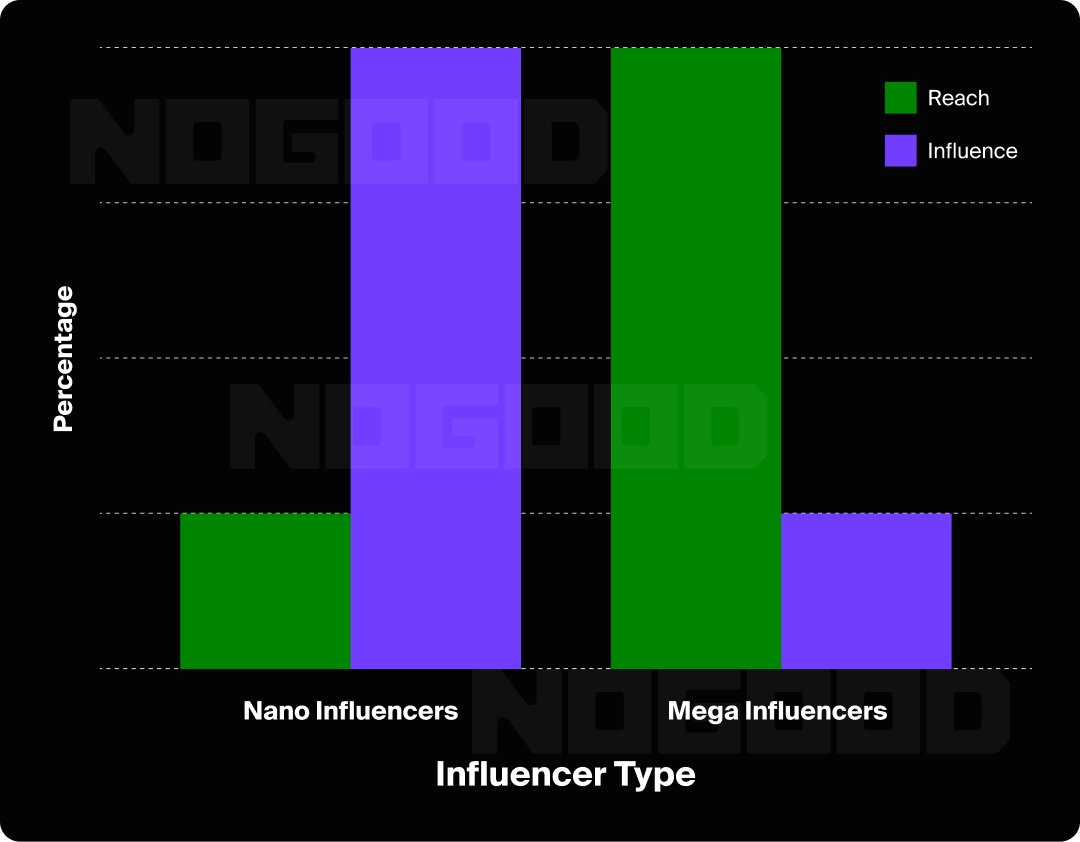
While mega influencers may have broad reach, nano influencers (1K-10K followers) and micro-influencers (10K-100K followers) are making waves in paid social strategies. With these types of creators, you get something even more valuable than reach: trust and relatability.
Think about it this way: if your best friend vouched for a product in-conversation, you would be more likely to buy into it than if you saw it in a QVC commercial, right? The same concept applies here: nano influencers often have a more intimate connection with their followers.
Platform algorithms also favor diverse voices over repetitive brand accounts. Having 50 different creators talking about your product signals social proof to algorithms in ways single-source content can’t match.
How Network-Based Influencer Campaigns Work
- Brands recruit 20-100 nano or micro-creators who genuinely use their products. Each creator posts according to a loose content brief that maintains message consistency while allowing individual creativity.
- These posts get whitelisted for paid amplification, creating a flood of “authentic” paid social content that appears to come from real people, not brand accounts.
- The combined reach of a nano-influencer network often exceeds a single mega-influencer at a fraction of the cost, with significantly better engagement rates.
Managing 50+ influencer relationships requires infrastructure. Brands either build internal creator relationship management systems or work with agencies specializing in network-based influencer campaigns. Content quality control becomes critical. With many creators producing content, you need clear brand guidelines while still allowing authentic creator voice.
7. Sustainability & Authenticity-Focused Campaigns
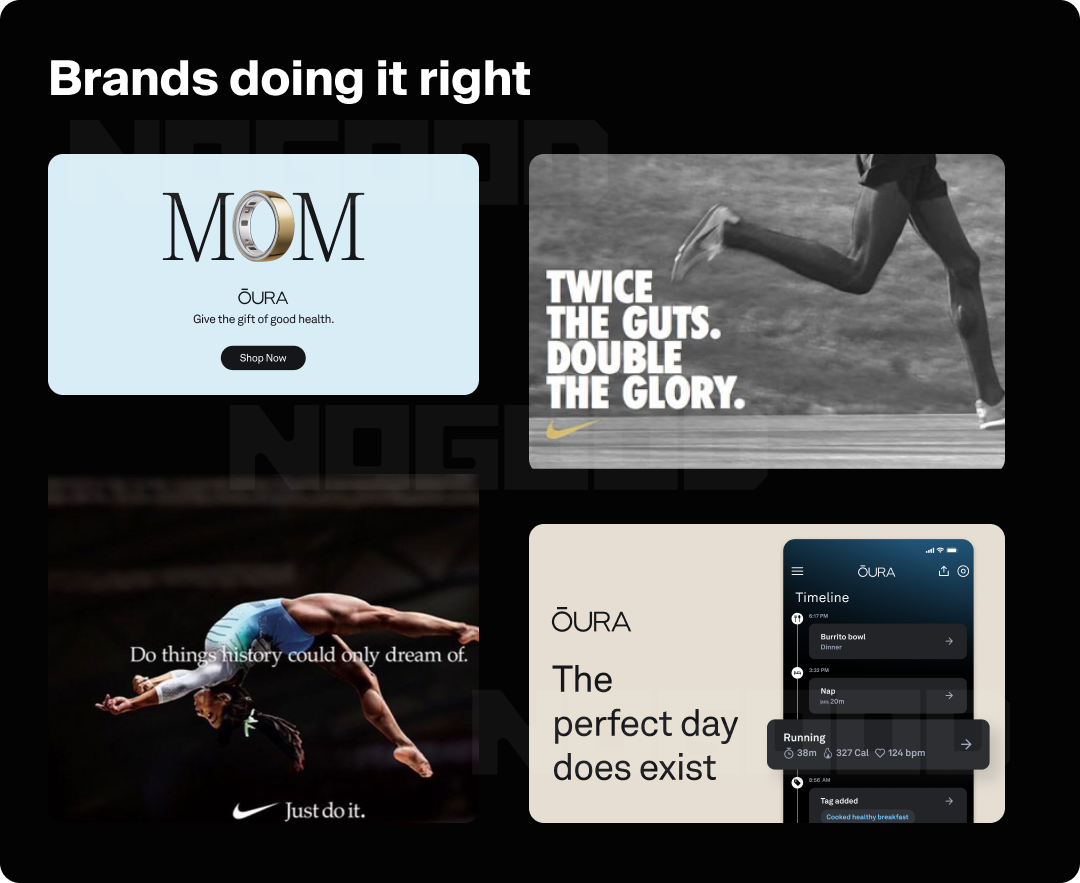
Consumers today are more conscious of the environmental impact of their purchases than ever before (or at least they try to be). Sustainability is a value that more and more consumers seek out when making purchasing decisions (in fact, we’re expecting an unprecedented demand for it in 2026), and brands that highlight their commitment to eco-friendly practices through paid social ads can tap into this growing trend.
Whether it’s showcasing sustainable packaging, ethical sourcing, or initiatives to reduce environmental impact, transparency and authenticity are increasingly important to consumers.
Integrating sustainability into your paid social campaigns not only appeals to socially conscious consumers but also fosters deeper brand loyalty. By showcasing your efforts in a meaningful way, you can create stronger connections with your audience.
8. Hyper-Localization in Advertising
In 2026, hyper-local targeting is set to become more important than ever. This goes beyond basic geo-location: ads are now being tailored to specific regions, cities, or even neighborhoods can make all the difference in resonating with your audience.
For example, a coffee chain might run ads emphasizing sustainability efforts in Portland while promoting a new iced latte in Miami. Aligning your messaging with local preferences and trends can help you build a stronger connection with your audience.
Success with hyper-local campaigns lies in data. Use insights about your target market’s location, interests, and behaviors to make ads that feel personal and relevant. Hyper-local campaigns benefit from a trial-and-error approach, so don’t be afraid to test and iterate to get the best results.

Paid Social in 2026: The Bottom Line
At the end of the day, paid social in 2026 is about meeting audiences in the moments that matter: serving them content they care about and making it as easy as possible for them to say, “wow, I’m buying that.”
That doesn’t mean throw all of your money at paid social, or even at the aforementioned tactics specifically. Instead, start here:
- Invest in Answer Engine Optimization early and now appear in AI recommendations across platforms (I know an agency for that)
- Embrace AI tools (the safe ones!) to scale personalization and creative testing
- Build authentic creator networks instead of relying on one-off influencer posts
- Diversify beyond Meta and TikTok into emerging conversational and community platforms
- Create genuinely helpful content that answers questions, not just promotional material
Whether you’re testing ChatGPT’s ad platform, building your AEO foundation, or scaling micro-influencer networks, the key is staying adaptable and focused on genuine value delivery.
Social media keeps evolving. AI platforms are redefining what “social” even means. The brands that thrive are the ones treating paid social as an ecosystem to navigate thoughtfully, not just channels to spam with ads.
Here’s to making 2026 your strongest year yet in this evolving paid social landscape!