

Over half of Americans are actively using large language models (LLMs) like ChatGPT, giving brands yet another new way to reach potential customers. But how do brands effectively target these tech-savvy users? The solution is to get the Claudes, ChatGPTs, and Geminis of the world to mention your brand and products.
Let’s clear something up before we get into it: there’s no such thing as “ranking” in ChatGPT (at least not in the traditional sense). Instead, when your brand is featured in LLMs, we call that being mentioned or possibly cited (with a link). So the question now isn’t how to rank; it’s how to get mentioned as the best possible solution to whatever the user is searching for.
Get Your Website Ranking on ChatGPT
How Does ChatGPT Rank Website Content?
ChatGPT utilizes Bing’s search index and ranking methodologies, so if your site isn’t crawlable, indexed, and optimized for Bing, it likely won’t appear in ChatGPT responses.
While the old playbook will tell you that writing helpful content is the best way to get mentioned, you need to start focusing on earned media. This means you need to strive to be mentioned by the right sources so that ChatGPT is able to feature you in its answers, which you can do with an effective PR strategy. This is because ChatGPT looks for authoritative sources that accurately represent and provide value to the user’s question, as well as well-organized and structured content.
So, if ChatGPT isn’t necessarily ranking content, how do they determine what content gets served?
1. Authoritative Sources
The first thing ChatGPT will take into account when auditing sources is the authority of that source. If you’re a reliable source, you’re more likely to be visible in their results.
Authority can mean a lot of things. It can be tied to the author, the domain the content lives on, but third-party mentions are becoming an increasingly important way to build it. Becoming an authoritative source doesn’t happen overnight; it takes time and dedication, but there are certainly things that can be done to improve your standing, like:
- Establish expertise: Create high-quality, in-depth content on your specific topic.
- Build a strong domain: Build a professional, trustworthy website with a clean design and a clear purpose.
- Optimize old content: Regularly update existing content to include any new information or updated insights to ensure it doesn’t get stale, as ChatGPT prioritizes freshness.
- Be consistent: Regularly publish new, valuable content to show you are an active and reliable source.
You can build authority on Bing specifically by updating the author bios on your website, which signal that the author has expertise and experience in the topics they’re writing about.
2. Accuracy & Fact-Checking
High-quality content is factual content. ChatGPT is looking for the freshest information, not only to properly inform its users, but to make sure it reduces the spread of misinformation.
The pressure for honesty in search solutions by the public inevitably puts pressure on OpenAI to prioritize generating accurate information. ChatGPT has a responsibility to accurately represent content and interpret things in a way that doesn’t change the meaning of the original content or information.
Still, LLMs aren’t perfect, and they have the potential to hallucinate. But if you’re releasing accurate, and most importantly, consistent information about your brand, it mitigates AI’s risk of hallucination.
3. Relevance & Depth
Relevance and depth is what allows AI to be specific and respond exactly how you need. It moves from the lack of personalization on the traditional SERP to something more contextual and semantic, making sure each user’s specific needs are prioritized.
This means that you should be making relevant content, too. For example, let’s say you want to publish a thought leadership piece on email marketing. You wouldn’t be writing something called “The Best Digital Email Marketing Strategies” because it’s been done before, and it’s too broad.
Instead, you want to be more specific, writing something like: “How to Use AI to Personalize Email Subject Lines for SaaS Leads.” A topic like this would align better with a narrow user query, making it more relevant as it features a unique insight and pain point.
4. Clear & Structured Writing
It almost goes without saying that clear and well-structured content is a must. The easier it is for ChatGPT to understand your content, the more likely your content will be served up in one of its generated answers. Not only does the structure matter, but so does the order in which the ideas are presented.
Make sure you’re formatting your content in a way that the user would expect. For example, if you’re creating a marketing campaign for a new skincare product, you’ll want to highlight the key benefits before diving into the scientific ingredients, because this is what most other skincare brands do. Don’t be afraid to take cues on what others are doing to make sure your content formatting makes sense.
What we mentioned are just a few of the things ChatGPT takes into account when it chooses to use certain content over others. Here’s a more comprehensive look at what influences visibility on ChatGPT:
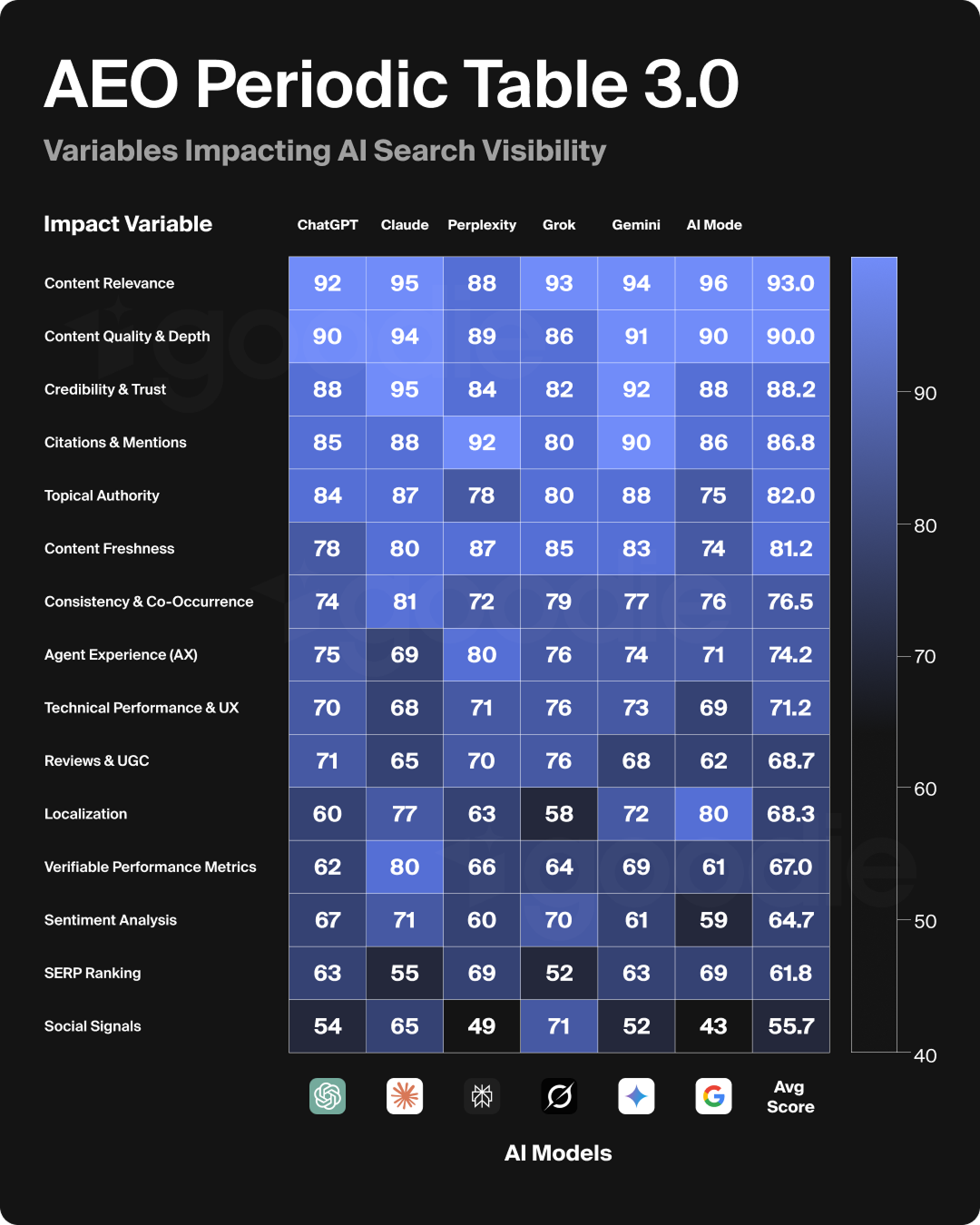
6 Strategies for Ranking on ChatGPT
So, with all of this in mind, you’re probably wondering: What are the best strategies to appear in ChatGPT answers? Here are six you can implement to push your brand to the top of ChatGPT’s answers.
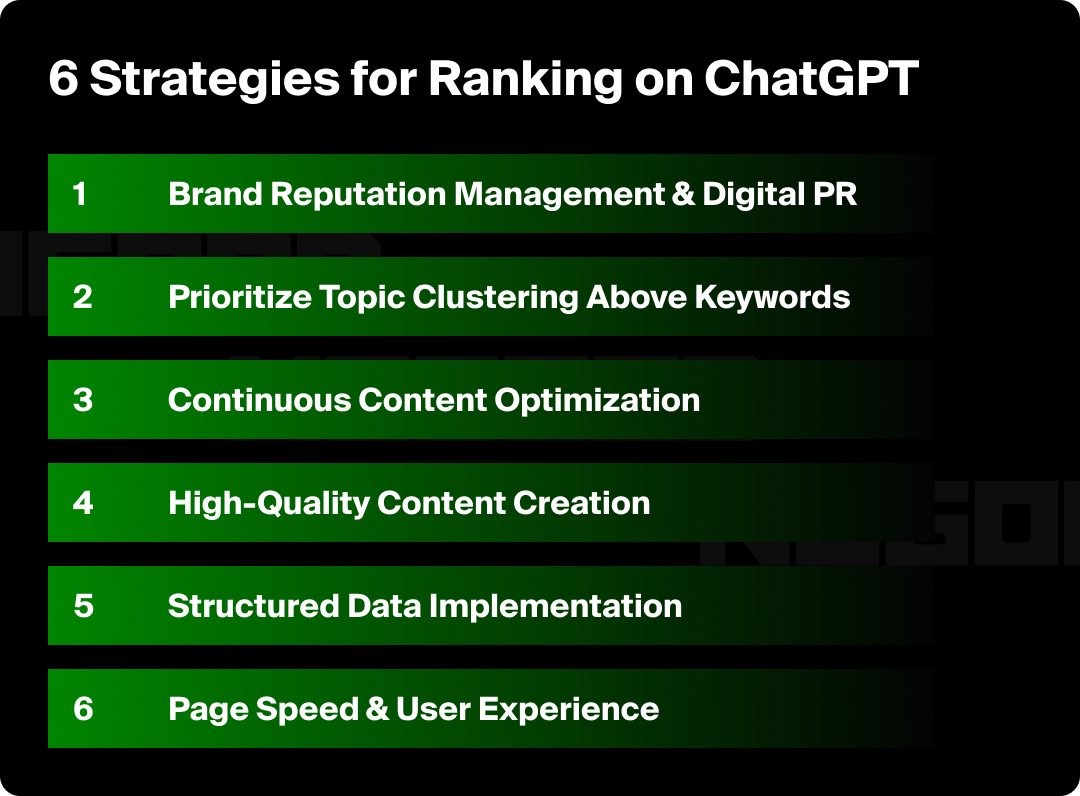
1. Brand Reputation Management & Digital PR
Bing uses social signals to inform its algorithms, meaning content that performs well on social media will boost website rankings if the account is linked to that page. To take advantage of this, you can share content across platforms, as long as they’re where your audience lives.
For example, if you’re selling a B2B product, you’re probably better off posting content for it on LinkedIn rather than Instagram or Reddit. Conversely, if you’re launching a B2C product that’s highly visual in nature (like makeup), Instagram’s format would lend itself better to this type of content.
Or, if a particular YouTube video of yours has gone viral, then embed that post into one of the blog posts on your website. And if you write a blog that your Instagram audience would find interesting, summarize the content and provide a CTA urging users to check it out by clicking the link in your bio.
Even though we’re making it sound easy, maintaining positive brand sentiment can be a tricky thing to navigate. With more ways to share feedback, brands have to be on the lookout for negative reviews and brand reputation everywhere, especially since ChatGPT and Bing’s algorithms look at customer reviews to determine user sentiment about your brand, which then influences what it generates.
Here are some ways to help maintain a positive reputation:
Guest Post on High-Authority Sites
Writing guest posts on authoritative websites in your industry can significantly boost your credibility. It allows you to expose your brand to a new audience and, more importantly, earn a valuable backlink. These backlinks signal to AI models that your content is high-quality and reliable.
Highlight Industry Awards & Recognition
Showcasing any awards, certifications, or official recognition your brand has received builds trust. Prominently display these on your website and marketing materials to see results; This external validation from respected industry bodies proves your expertise and commitment to quality.
Engage in Influencer Marketing for Brand Amplification
Collaborating with influential figures in your niche can quickly expand your reach and enhance your authority. When an influencer with a loyal following mentions or recommends your brand, it acts as a powerful third-party endorsement.
Build Partnerships with Affiliate Sites for Awards & Listicles
Partnering with affiliate sites that create “best of” lists, product awards (which have more visibility in LLMs than brand sites), can give your brand a major credibility boost. Getting featured on these lists, especially those on high-traffic, respected sites, provides social proof and can drive significant referral traffic.
Post & Respond on Forums & UGC Platforms (Quora, Reddit)
Engaging directly with users on platforms like Quora and Reddit allows you to demonstrate your expertise through community-building. By providing thoughtful, human answers to user questions, you build a reputation as a knowledgeable and trustworthy source.
Promote Positive Mentions on Authority Websites
When an established news site, industry blog, or academic journal mentions your brand, amplify it. Share these positive mentions on your social media, website, and in your newsletters. This form of earned media validates your brand’s authority and reliability.
Encourage Positive Product or Service Reviews From Happy Customers
Positive reviews are a cornerstone of building trust. Actively encourage satisfied customers to leave reviews on your website, Google Business Profile, or other third-party review sites. A high volume of positive feedback is a strong signal of your brand’s quality and trustworthiness, which is a key factor in how AI models evaluate your authority.
Respond to Negative Reviews Publicly
How you handle criticism is a signal of brand health to both users and AI. Monitor all major review sites and social platforms in real-time and ensure every negative post receives a public, non-defensive response that acknowledges the issue (emphasis on the non-defensive). The best course of action is to offer to move the resolution off-platform (via DM or customer service line), signaling transparency while limiting the public back-and-forth, effectively neutralizing the negative signal for both search engines and potential customers.
Having a cohesive brand reputation plan means monitoring and responding to reviews, nurturing strategic publisher partnerships, and earning links from valuable websites. While backlinking is still a thing, it isn’t as impactful as it once was.
Search Engine Land compared studies from multiple SEO platforms (Ahrefs, Backlinko, Monster Insights), and asserted that traditional link-building strategies (often poor quality) are now less effective; instead, they suggest focusing on events and strategies that naturally attract high-quality media coverage. This supports the idea that search engines have progressed beyond building backlink profiles and use more signals from across social media and external sites to create their own view of your brand.
2. Prioritize Topic Clustering Above Keywords
Even though optimizing pages for singular keywords is still important, a more modern approach is to zoom out and to build topical authority. This involves creating a cluster of interconnected content that thoroughly covers a broad subject.
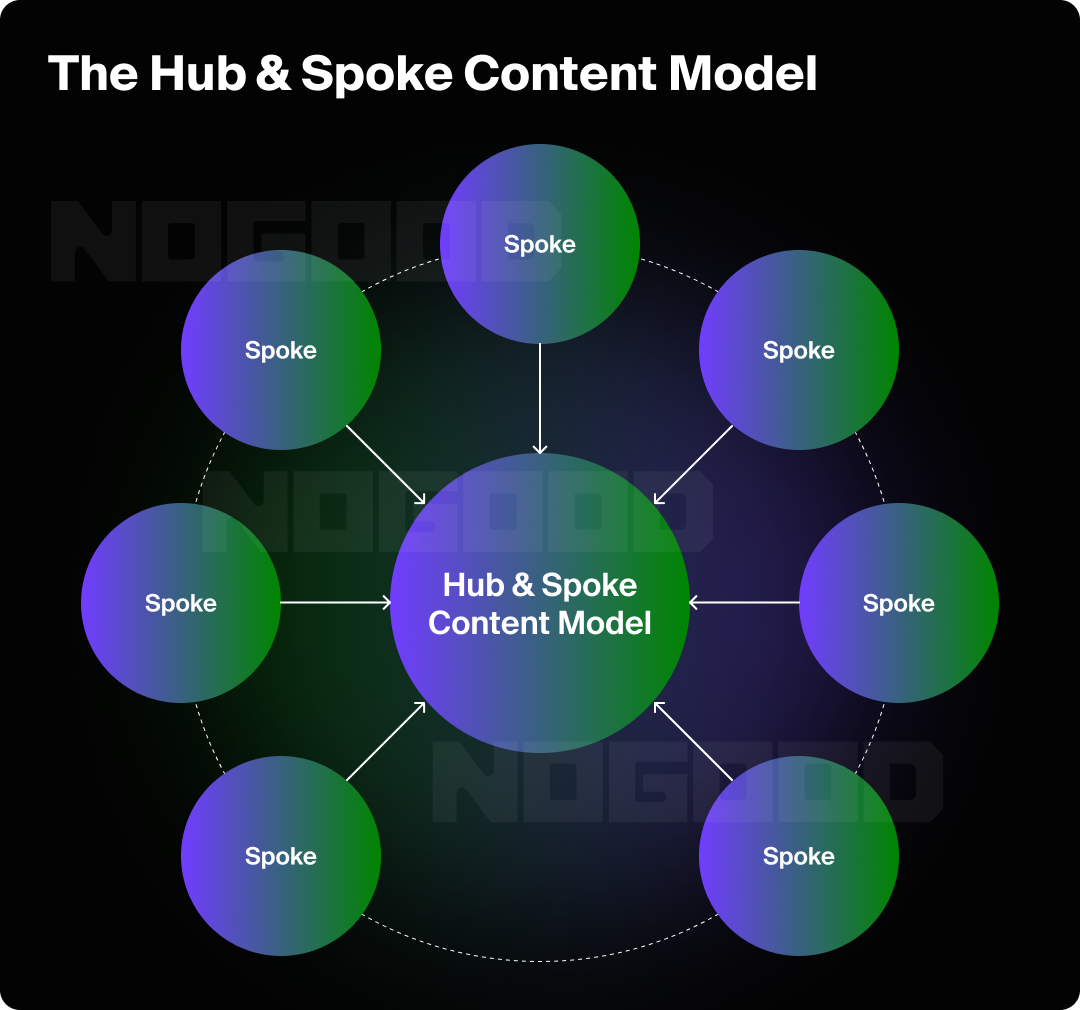
The Hub & Spoke Model
This strategy involves creating a main “hub” page that gives a high-level overview of a topic, and then linking to several more detailed “spoke” pages that dive deep into specific sub-topics. For example, a hub page on “Enterprise Lead Generation Software” could link to spokes detailing specific, high-value topics such as “Comparing CRM vs. CDP for Data Silos,” “Integrating AI into Sales Funnels for SMBs,” and “Regulatory Compliance for International Data Collection.”
3. Continuous Content Optimization
Keeping content fresh is the name of the game; Having a recent publishing date on your post might do more than you think. Republishing stagnant content isn’t just a benefit for you from a traffic perspective, but it’s a benefit for users who are interested in your topic but want an updated perspective.
The main point is to avoid a one-size-fits-all approach to updating your content. Here are some things to remember:
- Fresh content isn’t just about adding new words; it’s about incorporating new information that aligns with current trends and user needs. This means researching any updates in the industry or topic that you’re writing about to ensure that your article is also up-to-date and relevant.
- User intent is the key. You need to understand what a user is really looking for when they type a query into a search engine. This might be to buy something, find information, or get directions. Your content should be tailored to meet that specific need.
- Google’s and other search engines’ algorithms are constantly changing (rest in peace, num=100). By analyzing your data (like what people are clicking on and how long they stay on your page), you can infer what’s working and what isn’t, and then adjust your content accordingly.
In short, you need to be strategic and data-driven with your content updates, rather than just mindlessly applying the prototypical SEO formula to every page.
4. High-Quality Content Creation
ChatGPT’s focus on quality content is no secret, and it’s a key factor in how it generates answers. So, how do you create content that meets this standard? We’ve broken down the process into actionable strategies:
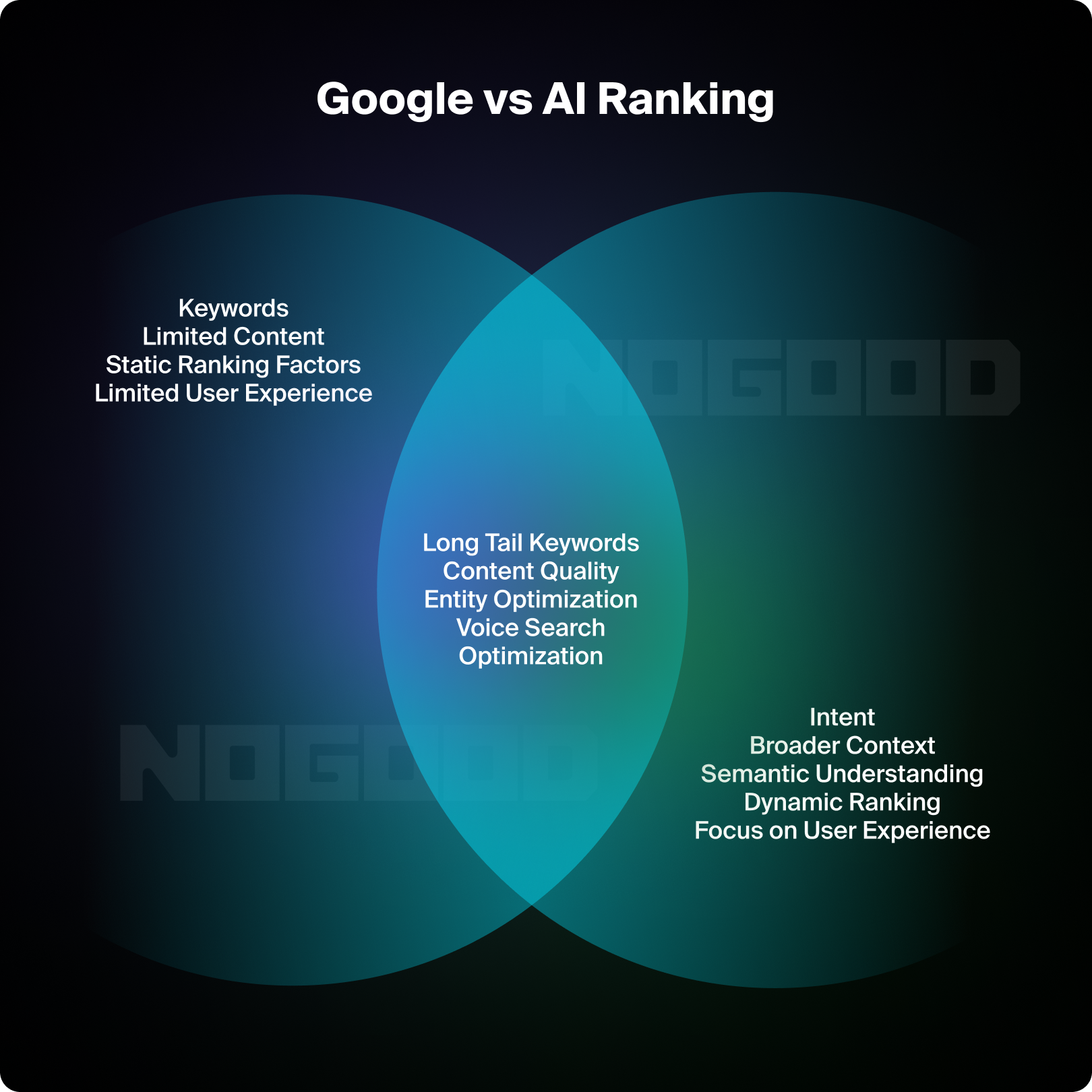
- Effective Use of Keywords: While ChatGPT isn’t necessarily surfacing content based on keywords as topic clustering has become a more effective strategy, incorporating keywords naturally throughout your content is still important. Perform keyword research as you normally would, but focus on satisfying keyword intent above all else.
- Content Structure & Readability: Structure your content with clear headings, subheadings, bullet points, and concise paragraphs. Proper structure makes it so that users and AI search engines alike can easily understand the information. Easy-to-understand content will drive engaged sessions, which will only help your chances of being cited in ChatGPT.
- Natural Language Processing: Write in a conversational tone that mimics natural language. In short, write like you speak. Approaching content in this way aligns with how ChatGPT and other LLMs understand and repurpose your content.
- Reverse Engineer User Intent: Understand and anticipate what users want when they ask questions. Tailor your content to provide direct answers, detailed explanations, or step-by-step guides that align with common user intents.
- Demonstrate First-Hand Experience: Search engines are getting better at identifying “people-first” content that shows first-hand experience. While expertise is highly valued, a person sharing their personal experience can now rank higher for certain queries (e.g., someone reviewing a product they’ve used or detailing their personal journey).
5. Page Speed & User Experience
Page speed and user experience (UX) go hand in hand. Having a responsive site with a well-optimized user experience only improves your chances of being cited in ChatGPT and on the search engine results page (SERP).
Better UX also directly improves engagement metrics. And when search engines see users spending a significant amount of time on your page without immediately to the SERP (engaged sessions), they interpret these as strong query satisfaction signals. This user behavior validates your content’s quality and relevance, converting passive traffic into active authority signals. For AI, this high engagement acts as a trust benchmark, making your site a more reliable and favored source for future citations in generated answers.
Technical UX as an Authority Signal
To ensure your technical foundation supports AI visibility, focus on these UX elements:
- Core Web Vitals: These metrics directly measure real-world user experience (loading speed, interactivity, and visual stability). Positive Core Web Vitals scores signal to search algorithms that your site is a reliable and enjoyable source, thus increasing the likelihood of ranking and citation.
- Engagement Metrics (Engaged Sessions): When users stay on your page longer and don’t immediately return to the SERP (considered an engaged session), it’s a strong engagement signal. This tells AI that the content fulfilled the user’s need with high quality content, making it a stronger candidate for future citations.
- Mobile-First Responsiveness: With most search traffic originating on mobile devices (over 60%), a design that adapts quickly and flawlessly to smaller screens is non-negotiable. Poor mobile UX can lead to lower engaged sessions, which algorithms interpret as a lack of quality.
Indexing in Bing for ChatGPT Visibility
The most comprehensive content is invisible if the AI can’t find it. This foundational step ensures your content is available for consideration by LLMs.
- Sitemap Submission: To ensure your content is being indexed by Bing, sign in to Bing Webmaster Tools and ensure your sitemap is uploaded correctly with the Site Explorer tool. If Bing can’t find and crawl your pages, ChatGPT won’t be able to serve information from them.
- Crawler Access (GPTBot): Verify that your robots.txt file is not blocking access to AI-specific crawlers like GPTBot. Explicitly allowing these crawlers is a necessary step to grant the language model access to your content (better yet, add an LLMs.txt file to your site).
- Clean HTML Structure: Avoid rendering critical content via complex JavaScript or hidden methods. AI models prefer clean, static HTML because it makes parsing and extraction more efficient, guaranteeing the model can access the complete, correct version of your content.
6. Structured Data Implementation
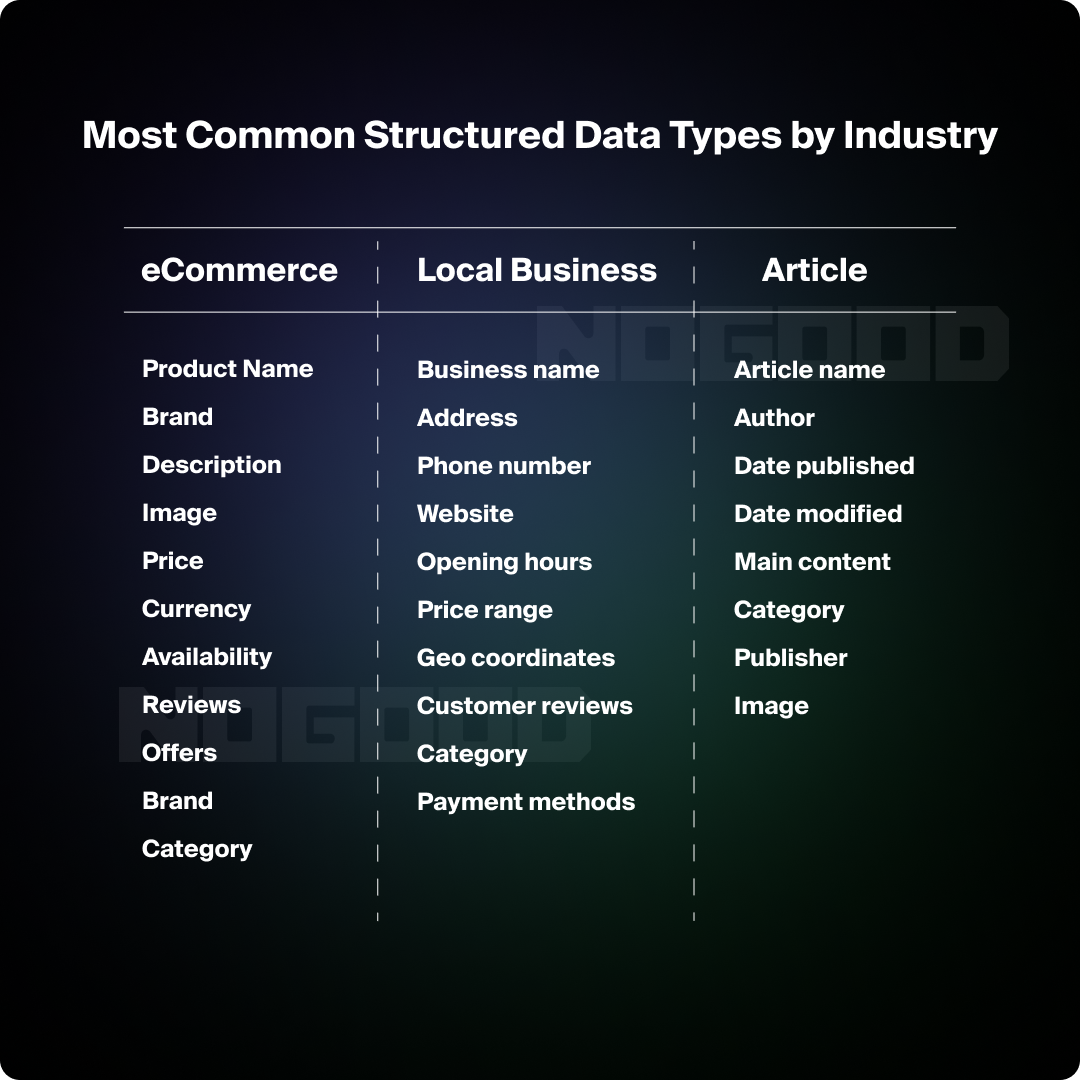
Structured data helps AI models interpret content and understand the relationships between different entities on a webpage; it’s like speaking to AI in the language it understands. It enhances your content visibility and relevance and allows these models to more easily surface information that they otherwise would have skipped over.
Structured data can be implemented in several ways, depending on your website’s setup and your preferred method. If you’re unsure which approach is best, consult your developer to determine the most effective solution.
Here are some common implementation options:
- Manual Coding: If you prefer coding directly on your site, you can add schema manually using specific tags and attributes.
- Plugins: Content management systems (CMS) like WordPress offer plugins that streamline the schema markup process. It’s essential to verify that the schema is correctly formatted and remains up to date, as schema continues to evolve.
- Data Feed Manager (eCommerce): For websites with extensive product feeds and multiple categories, custom solutions can help implement structured data efficiently.
Don’t Fight the AI Search Battle Alone
When it comes to being visible in ChatGPT or AI search engines, it can be a lot to put into practice. But it really boils down to this: maintaining a strong presence across relevant touchpoints, ensuring your brand has positive sentiment, and building topical authority. If you keep the user in mind, you’ll be able to break into the ChatGPT answers.
Here at NoGood, we specialize in AI search engines and AEO so that you can get ahead of the curve and future-proof your content marketing efforts. If you want to learn how we can help you achieve your goals, let’s talk!