

Substack has surged in popularity over the past few years, with over 50 million active subscribers. So, what is drawing all these users? The platform offers a sense of community that users can’t get on algorithm-based social platforms like Instagram and TikTok. Substack users want to curate their own feed with their favorite thought leaders rather than constantly being served new content.
Unlike traditional blogging platforms, Substack merges the best of both worlds: it offers the personalized touch of a blog with the broad reach and engagement features typical of social media platforms. This dual advantage attracts brands seeking to connect more meaningfully with their audiences.
Audiences today crave authentic, value-driven content that feels personal and direct.
For brands looking to build communities rather than just audiences, Substack offers a unique opportunity. It’s not just about pushing content; it’s about fostering dialogue, encouraging feedback, and nurturing relationships. This engagement is crucial to building a loyal subscriber base invested in the brand’s journey.
Never miss the latest growth marketing trends and tactics
The Appeal of Substack for Brands
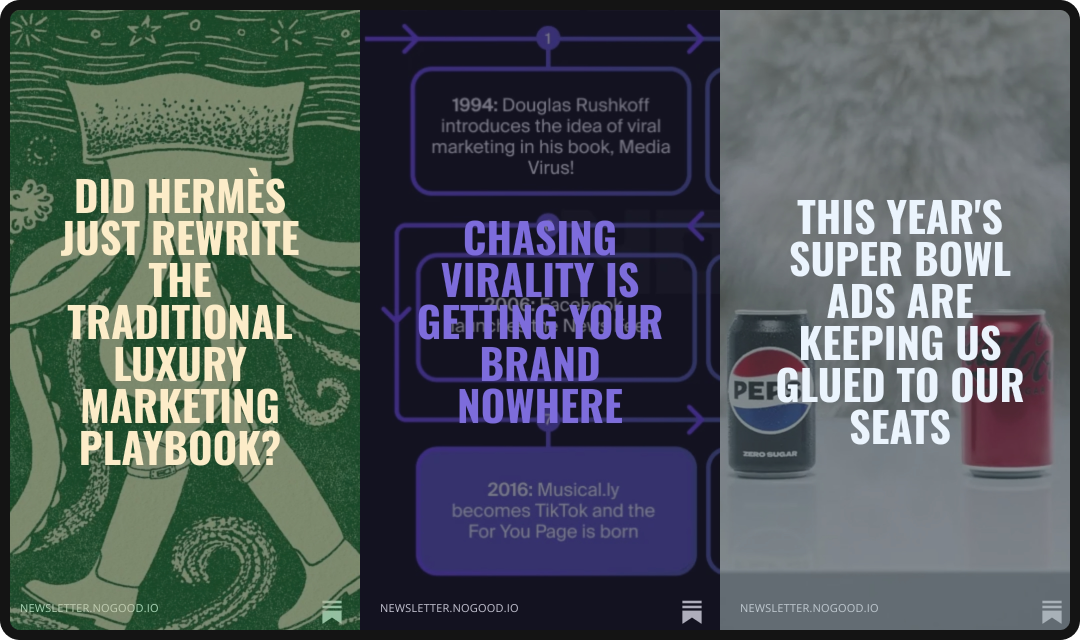
By focusing on delivering value through insightful, relevant content, brands can build a thriving newsletter community that goes beyond mere marketing. Substack’s model encourages brands to rethink their content strategies, emphasizing authenticity and direct engagement over broad, impersonal marketing efforts. By leveraging Substack, brands can build a vibrant community that supports audience growth and business goals.
But… Why Market on Substack?
Before creating an account, every brand needs to ask themselves this question. Substack is personal, elevated, and deeply editorial, operating by its own set of rules you may not know about from the jump.
Think of it like a clique: you need to speak the lingo and abide by a certain code to get noticed, get in, and be heard. Jumping in without a clear direction will leave you wondering why the growth you expected never materialized. Substack has its own culture, and brands that don’t respect it will be added to the pile of other brand accounts posting without a gameplan.
So before you hit publish on anything, make sure you have honest answers to these five questions.
Who are you writing for?
Challenge yourself to think beyond your general target audience. Yes, you likely already know who your customer is, but Substack is the kind of platform that wants you to go a level deeper:
- Are you writing for people who love your brand’s aesthetic, or for those who are deeply invested in your product and already part of your community?
- And within that group, can you get even more specific?
I like to think about it like this: let’s say a gaming brand sells headphones. Could they go beyond the product and explore topics such as the anatomy of audio and how it enhances the gaming experience? Or what about a fashion brand? Can they explore different fashion eras, talk about different fabrics and their history?
By tapping into a level or two deeper than your brand, there’s a great chance you reach more than just the people who love or vaguely know what your brand is. Find the “who” first. Then plan everything else around them.
What message are you trying to get across?
Every piece of content you publish should be working toward something:
- What is your newsletter trying to say?
- What POV are you building that feels conversational and worth reading, without veering into that promotional-feel territory that Substack advises against?
The strongest Substack newsletters have a throughline: a narrative that connects every post back to a central idea that is thought-provoking enough to spark discussion, but grounded enough that readers always understand why this brand is the one saying it.
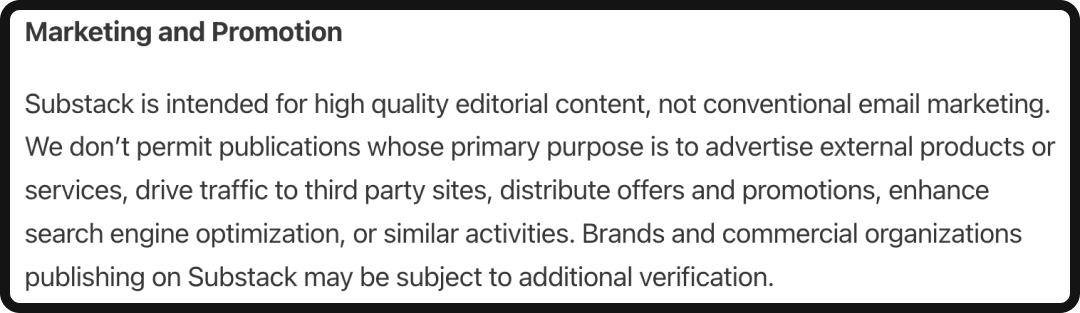
Your message doesn’t need to be super bold or controversial (though it can be). It just needs to be consistent. Every post should feel like it belongs to the same thread of conversation.
Why does your content matter?
This is where you get honest with yourself about intent:
- Are you raising awareness about something your industry overlooks?
- Are you sharing information that your audience can’t get anywhere else?
- Are you trying to move people to think or act differently?
Answering this helps you define your editorial direction and your content style. A newsletter built around awareness reads very differently from one built around education or community. Knowing your why keeps your content from drifting, and it’s what keeps readers coming back.
How does your content differ from that of someone else in your industry?
Let’s say another brand in your space launched a Substack tomorrow. Would it look like yours? If the answer is yes (or a hesitant mayyyyyybe), it’s time to rethink the angle:
- What fresh perspective, narrative, or take can you bring that someone else can’t?
- What does your brand have access to, whether that’s data, community, expertise, or a distinct voice, that makes your newsletter worth subscribing to over a competitor’s?
Your differentiator could be a controversial hot take, a declarative point of view, an insider lens, or a storytelling style that feels unlike anything else in your category. Whatever it is, lean into it hard.
On Substack, generic content sits at the bottom of the barrel and avid readers like myself wouldn’t dare to bat an eye.
Do you have enough to say?
This might be the most overlooked question of all. The challenge of starting a Substack is sustaining one. Look at Loftie’s Little Book of Sleep. What was once called (by myself and other marketers) one of the best brands on Substack hasn’t posted since June of 2025… why is that? Did they have enough to say?
Before making a commitment, think through your editorial pipeline. Do you have a mix of timely content that taps into cultural moments and evergreen content that holds up regardless of when someone finds it? Keep in mind that evergreen content requires a sharper, more distinctive POV to gain traction because it’s competing with everything already on that topic. Timely content, on the other hand, has a window and knowing how to move quickly within that window is its own skill.
Sustaining a Substack means having a fleshed-out content strategy. If you can map out three months of topics before you launch, I’d say you’re in good shape. But if you’re struggling to think past the first post, that’s a sign you need to go back to the drawing board before going public.
Starting a Substack can feel exciting, especially when you’re watching other brands do it. But there’s a significant difference between launching because everyone else is, and launching because you have so much to say that a newsletter is the only format that can hold it all. However, if you’re really struggling with inspiration and finding a clear direction, take a look at some of the brands killing it on Substack.
I’m not telling you to copy them, but there are definitely some patterns and techniques you can pick up just by going through some of their posts.
9 Strategies for Scaling a Substack Community For Brands
Assuming you have answered all five of those questions, we can really get into the technical gameplan. To build a vibrant Newsletter community on Substack, brands can blend horizontal and vertical growth strategies. Horizontal growth involves launching niche newsletters, which allows brands to cater to diverse audience segments. Conversely, vertical growth focuses on deepening engagement with existing subscribers by adding value through additional products or services.

1. Craft Compelling Content
Crafting content that grabs attention and keeps readers coming back is key on Substack. But how do you make your newsletter stand out? Start by understanding your audience’s interests and tailoring your content to meet those needs. This means diving deep into topics that matter to them, and delivering insights that readers can’t find elsewhere.
Incorporating multimedia elements like videos, infographics, or podcasts can make your content more dynamic and engaging. A well-placed video can break up text and provide a richer experience, while infographics can simplify complex ideas, making them easier to digest.
Your readers can tell when content feels forced or insincere. By staying true to your brand’s voice and values, you’ll build trust and encourage loyalty. So, whether you’re using storytelling, expert interviews, or behind-the-scenes insights, make sure it aligns with who you are as a brand.
2. Build Out Your Substack Profile
Substack offers many personalization and customization features to help you maintain brand consistency:
- You can add your logo, your brand colors, and your fonts.
- On your home page, you can feature your best newsletter posts and podcast episodes to showcase the amazing work your audience has been loving.
- Your profile will also include an extensive About Us page where you can share a little about your brand and your newsletter offering.
Use this space to show off your brand voice and give your subscribers a sneak peek into what they’ll be getting in their inbox every week.
3. Community Engagement on Substack
Substack emphasizes community interaction through its commenting features. By enabling comments on newsletters, brands can foster discussions among subscribers, creating a sense of community and belonging. This two-way communication increases engagement and provides valuable feedback directly from readers.
Brands can initiate conversations around specific topics or respond to subscriber inquiries, enhancing the overall community feel. Substack’s “Discussions” feature allows for dedicated spaces where subscribers can connect beyond individual posts, further solidifying community ties.
For our newsletter, NoGood News, we support other newsletters with which we share an audience. By commenting on and liking similar content, we can expand our reach and gain visibility with new subscribers.
4. Recommendations
Substack’s recommendation feature allows creators to publicly endorse each other’s work, creating a support network among writers. This cross-promotion is particularly effective because it exposes your newsletter to a broader audience that is already engaged with similar content.
Many creators report that a significant portion of their subscribers comes from recommendations, making it a crucial tool for growth.
5. Podcast & Video Integrations
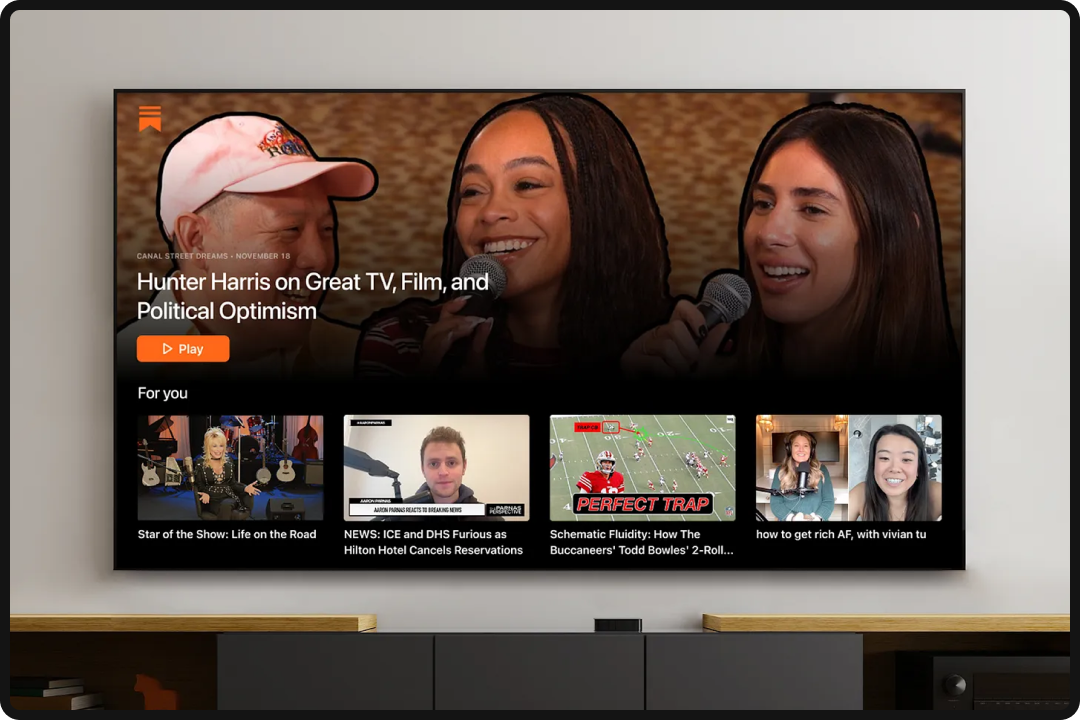
Substack has increasingly supported multimedia content, allowing brands to integrate podcasts and videos into their newsletters. This flexibility enables creators to diversify their content offerings and engage with subscribers through various formats.
For instance, turning written articles into podcast episodes can maximize the reach of each idea shared, catering to different audience preferences. Substack’s layout options make it easy to embed multimedia elements, further enriching the reader experience.
Just recently, Substack announced the Substack TV app for Apple and Google TV. The app features a similar TikTok-style FYP that showcases videos from subscribed creators, as well as recommended videos.
Viewers can watch livestreams and long-form or podcast videos, and any Substack publisher who posts videos can be viewed through the TV app. While plenty of creators enjoy long-form writing, over half of the 250 highest-revenue creators used audio and video. By February 2025, that number had surged to 82%. So for creators who enjoy creating thought-provoking long-form videos on Substack, now’s the time to lock in.
6. Post “Notes”
Substack’s Notes feature allows you to share short-form content, links, and thoughts with your audience. This feature operates similarly to social media platforms like X, enabling real-time interaction and community building among writers and readers.
Regularly posting engaging notes can keep your readers informed and encourage them to interact with your profile. Consider sharing behind-the-scenes insights or recommendations that relate to your newsletter content.
7. Implement Custom Domains for Brand Consistency
Custom domains are a powerful feature on Substack that allows brands to maintain consistency in their online presence. By using a custom domain, brands can enhance their credibility and create a seamless experience for their subscribers.
This feature not only reinforces brand identity but also improves discoverability by providing a professional appearance that can attract more subscribers. Your custom domain also increases visibility in organic search results.
8. Subject Line Experimentation
Subject lines are often the first impression your email or newsletter makes on subscribers. They play a pivotal role in whether recipients decide to open your email. Nearly 47% of users decide whether to open an email based solely on the subject line, making it essential to craft compelling, relevant titles.
It’s helpful to review your open rates on Substack and identify which newsletter posts had the highest open rates. This can give you insight into which subject lines work best for your audience.
For example, after reviewing our subscriber data for NoGood News, we found that subject lines that included an entity (such as a public figure name, a timely cultural event or a popular company) and dramatic claims or questions had a higher open rate than those without.
Keep your subject lines concise: between 6 to 10 words, as studies suggest this length tends to yield higher open rates. Longer subject lines may also get cut off on mobile.
9. Analyze Subscriber Data to Refine Your Strategy
Substack provides a comprehensive dashboard that allows creators to monitor various metrics related to their subscribers:
Activity Sorting: You can sort subscribers by activity level to identify your most engaged readers. For instance, filtering by email opens helps you see who consistently interacts with your content, enabling targeted outreach.
Subscriber Overview: This section displays the total number of subscribers, including paid and free members, along with their activity levels. You can customize the dashboard to show specific data points that matter most to your strategy, such as subscription type and engagement ratings.
Stats: Checking engagement metrics, such as open rates and interaction levels, is vital for assessing how well your content resonates with readers. On Substack, average open rates typically range from 40% to 70%, significantly higher than on many other platforms. This indicates a highly engaged audience.
Substack Helps Brands Foster Community
By leveraging Substack’s in-app features, brands can build and scale an engaged brand community. From comments and recommendations to podcasts and notes, Substack is more than just a platform for growing your email list. It fosters a sense of community between brands and their audiences.
If you need to refine your email marketing strategy, our growth experts can help. Feel free to reach out to us.